Understanding Who Should Avoid Iodine Supplementation: A Comprehensive Guide
Discover who should avoid iodine supplementation and why. Learn about the risks for specific groups and the importance of consulting healthcare professionals.


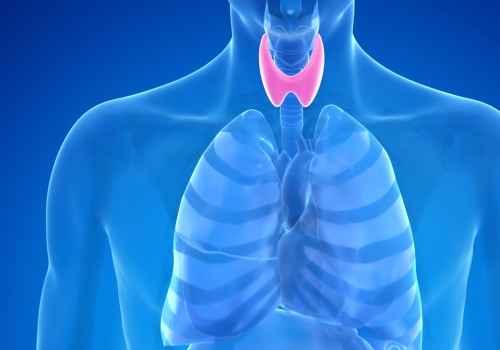
Iodine is a trace element that plays a vital role in maintaining optimal health, yet it often goes unnoticed in discussions about essential nutrients. This mineral is crucial for the production of thyroid hormones, which are responsible for regulating various bodily functions, including metabolism, growth, and development. Without adequate iodine, the body struggles to produce these hormones effectively, leading to a range of health issues. Understanding the importance of iodine is essential for anyone considering supplementation or looking to improve their overall health. The thyroid gland, located in the neck, utilizes iodine to synthesize hormones such as thyroxine (T4) and triiodothyronine (T3).
These hormones are integral to metabolic processes, influencing how the body converts food into energy and how it regulates temperature. Furthermore, iodine is particularly important during periods of rapid growth and development, such as pregnancy and childhood. Insufficient iodine intake can lead to conditions like goiter, hypothyroidism, and even developmental delays in children. While many individuals can obtain sufficient iodine through a balanced diet that includes iodized salt, seafood, dairy products, and certain grains, some may require additional supplementation. This need can arise from dietary restrictions, specific health conditions, or increased physiological demands.
However, it is crucial to recognize that not everyone should consider iodine supplementation. Certain populations may experience adverse effects from excess iodine intake, making it essential to identify who should avoid these supplements.
The Benefits of Iodine Supplementation
Iodine supplementation offers a range of benefits that are crucial for maintaining optimal health, particularly in relation to thyroid function and overall metabolic processes. Understanding these advantages can help individuals appreciate the importance of iodine while also recognizing when supplementation may not be appropriate. One of the primary benefits of iodine is its essential role in the production of thyroid hormones, which are vital for regulating metabolism. The thyroid gland utilizes iodine to synthesize hormones such as thyroxine (T4) and triiodothyronine (T3).These hormones influence various bodily functions, including:
- Metabolic Rate: Iodine helps maintain a healthy metabolic rate, which is crucial for energy production and weight management.
- Growth and Development: Adequate iodine levels are particularly important during periods of rapid growth, such as childhood and adolescence, as well as during pregnancy.
- Brain Development: Iodine is critical for cognitive development in infants and children. Insufficient iodine during pregnancy can lead to developmental delays and cognitive impairments in offspring.
This immune-boosting property is particularly beneficial for individuals with compromised immune systems. Furthermore, iodine may play a role in detoxification processes within the body. It has been suggested that iodine can help eliminate heavy metals and other toxins, promoting overall health and well-being. In summary, the advantages of iodine supplementation are multifaceted, encompassing vital functions related to thyroid health, metabolism regulation, cognitive development, immune support, and detoxification. However, it is essential to approach supplementation with caution and consult healthcare professionals to ensure it aligns with individual health needs.
Who Should Avoid Iodine Supplementation?
While iodine is essential for many bodily functions, certain individuals should exercise caution or completely avoid iodine supplementation due to potential health risks. Understanding who should refrain from these supplements is crucial for maintaining overall health and preventing adverse effects.Individuals with Thyroid Disorders
People diagnosed with thyroid disorders, such as hyperthyroidism or hypothyroidism , should avoid iodine supplements.In hyperthyroidism, the thyroid gland is overactive, producing excessive hormones. Supplementing with iodine can exacerbate this condition by further stimulating hormone production, leading to intensified symptoms like anxiety, weight loss, and rapid heartbeat. Conversely, those with hypothyroidism, characterized by an underactive thyroid, may also face complications from iodine supplementation. Increased iodine levels can disrupt the delicate balance of thyroid hormones, potentially worsening symptoms such as fatigue, weight gain, and depression. Therefore, it is vital for individuals with any thyroid condition to consult a healthcare professional before considering iodine supplements.
Pregnant and Breastfeeding Women
During pregnancy and breastfeeding, women have heightened nutritional needs, including iodine.However, not all pregnant or nursing women should take iodine supplements. Women with pre-existing thyroid conditions may find that additional iodine interferes with hormone production, posing risks to both mother and child. Excessive iodine intake during breastfeeding can also lead to elevated levels in breast milk, which may affect the infant's thyroid function. It is essential for pregnant and breastfeeding women to discuss their iodine needs with a healthcare provider to ensure they meet their requirements safely.
Individuals with Allergies or Sensitivities
Some individuals may have allergies or sensitivities to iodine. Symptoms can range from mild skin reactions like rashes and hives to severe respiratory issues.Those with a history of allergic reactions should avoid iodine supplements and be cautious about consuming foods high in iodine. Additionally, individuals suffering from autoimmune diseases such as Graves' disease or Hashimoto's diseaseHashimoto's disease may experience heightened sensitivity to iodine. These conditions can cause inflammation in the thyroid gland, making it more susceptible to the adverse effects of excess iodine.
People with Kidney Issues
The kidneys play a crucial role in filtering excess substances from the body, including iodine. Individuals with kidney problems—such as chronic kidney disease or kidney failure—may struggle to excrete excess iodine effectively. This can lead to a dangerous buildup in the body, resulting in symptoms like nausea, vomiting, and diarrhea. For those with compromised kidney function, it is advisable to avoid iodine supplements and consult a healthcare professional regarding dietary sources of iodine. In summary, while iodine supplementation can offer benefits for many individuals, specific groups must approach it with caution or avoid it altogether.Consulting a healthcare provider is essential for anyone considering iodine supplements to ensure safety and appropriateness based on individual health conditions.
Individuals with Thyroid Disorders
Iodine is a vital nutrient for the production of thyroid hormones, which are essential for regulating metabolism, growth, and overall health. However, individuals with thyroid disorders, such as hyperthyroidism and hypothyroidism, should approach iodine supplementation with caution due to the potential for adverse effects.Understanding Hyperthyroidism
Hyperthyroidism occurs when the thyroid gland is overactive, producing excessive amounts of thyroid hormones. This condition can lead to symptoms such as rapid heartbeat, weight loss, increased appetite, and anxiety. For individuals with hyperthyroidism, taking iodine supplements can exacerbate these symptoms by further stimulating hormone production.
Increased iodine intake may lead to a worsening of the condition, making it crucial for those diagnosed with hyperthyroidism to avoid iodine supplementation unless specifically directed by a healthcare professional.
The Risks of Iodine in Hypothyroidism
On the other hand, hypothyroidism is characterized by an underactive thyroid that does not produce enough hormones. While some may think that iodine supplementation could help boost hormone levels, it can actually lead to complications. In certain cases, excess iodine can trigger a condition known as iodine-induced hypothyroidism, where the thyroid becomes less responsive to hormone production. This paradox highlights the importance of individualized treatment plans for those with hypothyroidism.
Consultation is Key
Given the complexities surrounding thyroid disorders and iodine supplementation, it is imperative for individuals with these conditions to consult a healthcare provider before making any changes to their iodine intake.
A healthcare professional can assess individual needs based on specific thyroid function tests and overall health status. They may recommend alternative approaches to managing thyroid health that do not involve iodine supplementation. In summary, while iodine is essential for thyroid function, individuals with hyperthyroidism or hypothyroidism should avoid self-supplementing with iodine due to the potential risks involved. Proper medical guidance is essential to ensure safe and effective management of thyroid disorders.
Pregnant and Breastfeeding Women: Special Considerations
During pregnancy and breastfeeding, a woman’s nutritional needs change significantly, and iodine is no exception. Iodine is vital for the development of the fetus, particularly for the formation of the brain and nervous system.However, while adequate iodine intake is crucial, excessive iodine supplementation can pose serious risks to both maternal and infant health.
Iodine Requirements During Pregnancy
- Pregnant women require more iodine than non-pregnant women due to the increased demands of the developing fetus. The recommended dietary allowance (RDA) for iodine during pregnancy is 220 micrograms per day.
- This increased need is primarily because the fetus relies on maternal iodine stores for thyroid hormone production, which is essential for growth and development.
Risks of Excessive Iodine Intake
While it may seem beneficial to ensure sufficient iodine levels through supplementation, excessive intake can lead to complications:
- Thyroid Dysfunction: High levels of iodine can disrupt thyroid hormone production, leading to conditions such as hyperthyroidism or hypothyroidism in both the mother and child.
- Infant Thyroid Issues: Excessive iodine can be transferred through breast milk, potentially causing thyroid dysfunction in infants, which may manifest as developmental delays or other health issues.
- Autoimmune Reactions: Pregnant women with pre-existing thyroid conditions, such as Hashimoto's disease or Graves' disease, may experience exacerbated symptoms due to increased iodine levels.
Breastfeeding and Iodine Considerations
For breastfeeding mothers, maintaining an appropriate level of iodine is equally important:
- The RDA for breastfeeding women is 290 micrograms per day. This ensures that breast milk contains adequate iodine for the infant's needs.
- However, similar to pregnancy, excessive iodine intake during breastfeeding can lead to adverse effects on the infant's thyroid function.
Consultation with Healthcare Professionals
Given these complexities, it is essential for pregnant and breastfeeding women to consult healthcare professionals before starting any iodine supplements. A healthcare provider can assess individual dietary needs and recommend appropriate sources of iodine, such as iodized salt or certain seafood, while avoiding unnecessary supplementation that could lead to excess intake. In summary, while iodine is critical during pregnancy and breastfeeding for both maternal health and fetal development, careful management of intake is necessary to avoid potential risks associated with excessive supplementation.
Allergies and Sensitivities to Iodine
For some individuals, iodine can trigger allergic reactions or sensitivities that may pose significant health risks.Understanding these reactions is crucial for anyone considering iodine supplementation, especially those with a known history of allergies.
Iodine Allergies
An iodine allergy is relatively rare but can occur in susceptible individuals. Symptoms of an iodine allergy may include:
- Skin Reactions: These can manifest as rashes, hives, or eczema-like symptoms, often appearing shortly after exposure to iodine.
- Respiratory Issues: Some people may experience difficulty breathing, wheezing, or nasal congestion as a result of an allergic reaction.
- Gastrointestinal Distress: Nausea, vomiting, or diarrhea can also occur in response to iodine ingestion.
Sensitivities to Iodine
In addition to outright allergies, some individuals may have sensitivities to iodine that do not trigger a full-blown allergic reaction but still cause discomfort or adverse effects. Symptoms of iodine sensitivity can include:
- Mild Skin Irritation: Unlike a severe allergic reaction, this may present as localized redness or itching without the widespread rash associated with allergies.
- Digestive Issues: Some people report bloating or stomach cramps after consuming iodine-rich foods or supplements.
- Fatigue or Headaches: Unexplained fatigue or headaches may also be linked to iodine sensitivity in certain individuals.
Importance of Avoiding Iodine Supplements
For those with known allergies or sensitivities to iodine, avoiding supplements is critical.
The potential for severe allergic reactions necessitates caution. Always read labels carefully and consult with healthcare professionals before introducing any new supplement into your regimen. This proactive approach can help prevent adverse reactions and ensure your overall well-being.
Kidney Health and Iodine Supplementation
Iodine is a vital nutrient that supports various bodily functions, particularly in the production of thyroid hormones. However, for individuals with kidney issues, the relationship between iodine and renal health can be complex and potentially hazardous.The kidneys play a crucial role in filtering and excreting excess substances from the body, including iodine. When kidney function is compromised, the ability to eliminate excess iodine diminishes, leading to potential health risks. People suffering from chronic kidney disease (CKD) or acute kidney injury may find that their bodies cannot process iodine effectively. This can result in an accumulation of iodine in the bloodstream, which may lead to a range of adverse effects. Some of these effects include:
- Nausea and Vomiting: Excessive iodine levels can irritate the gastrointestinal tract, leading to symptoms such as nausea and vomiting.
- Diarrhea: High levels of iodine may disrupt normal digestive processes, resulting in diarrhea.
- Thyroid Dysfunction: An overload of iodine can trigger or exacerbate thyroid problems, including hyperthyroidism or hypothyroidism, particularly in those already predisposed to thyroid disorders.
Introducing iodine supplements without medical supervision can complicate their dietary management and lead to unintended consequences. It is essential for those with renal issues to consult healthcare professionals before considering any form of iodine supplementation. A healthcare provider can assess individual health needs and determine whether supplementation is necessary or safe. In some cases, dietary sources of iodine may be sufficient to meet daily requirements without the need for additional supplements. In summary, while iodine is crucial for overall health, individuals with kidney problems must exercise caution when it comes to supplementation. The potential risks associated with excess iodine intake underscore the importance of personalized medical advice tailored to one’s specific health conditions.
Consulting Healthcare Professionals: A Crucial Step
When considering the addition of any supplement to your diet, including iodine, it is imperative to consult a healthcare professional.This step is crucial for ensuring that the supplement aligns with your individual health needs and circumstances. Healthcare providers can offer personalized advice based on your medical history, current medications, and specific health conditions. Many individuals may be tempted to self-prescribe supplements due to the abundance of information available online or recommendations from friends and family. However, this approach can be risky. Supplements can interact with medications or exacerbate existing health issues.
For instance, those with thyroid disorders may find that iodine supplementation could worsen their condition rather than provide benefits. Here are some key reasons why consulting a healthcare professional is essential:
- Personalized Assessment: A healthcare provider can evaluate your unique health profile, including any underlying conditions that may affect how your body processes iodine.
- Medication Interactions: Certain medications may interact negatively with iodine supplements. A doctor can help identify potential interactions and suggest alternatives if necessary.
- Appropriate Dosage: Determining the right dosage of iodine is critical. Too little may not provide benefits, while too much can lead to toxicity. A healthcare professional can recommend the appropriate amount based on your needs.
- Monitoring Health Changes: If you start taking iodine supplements, regular check-ups can help monitor any changes in your health, ensuring that you are not experiencing adverse effects.
They can provide insights into how to incorporate iodine-rich foods into your diet safely and effectively. Ultimately, prioritizing safe supplement practices through professional guidance not only enhances your health but also minimizes risks associated with self-supplementation. Remember, informed decisions lead to better health outcomes.
<strong>Conclusion</strong>
In summary, while iodine is a vital mineral that supports numerous bodily functions, particularly in thyroid hormone production, it is not universally beneficial for everyone. Understanding who should avoid iodine supplementation is crucial for maintaining optimal health and preventing potential complications. Individuals with specific health conditions, such as thyroid disorders, must exercise caution when considering iodine supplements. For instance, those with hyperthyroidism may find that additional iodine exacerbates their symptoms by further stimulating thyroid hormone production.Conversely, individuals with hypothyroidism could experience worsened symptoms due to the complex interplay between iodine levels and thyroid function. Pregnant and breastfeeding women also need to approach iodine supplementation with care. Although iodine is essential for fetal development and lactation, excessive intake can lead to adverse effects on both the mother and child. It is vital for these women to consult healthcare professionals to determine their specific needs and avoid unnecessary risks. Moreover, people with allergies or sensitivities to iodine should refrain from using supplements, as they may experience allergic reactions that can range from mild skin irritations to severe respiratory issues. Additionally, those suffering from autoimmune diseases affecting the thyroid may find that iodine aggravates their condition. Lastly, individuals with kidney problems must be particularly cautious.
Since the kidneys are responsible for excreting excess iodine, those with compromised kidney function may face serious health risks if they take iodine supplements without medical guidance.
Key takeaways on iodine
include:
- Iodine is essential for thyroid health but can be harmful in excess.
- Consultation with a healthcare professional is critical before starting any supplementation.
- Specific populations, including those with thyroid disorders, pregnant or breastfeeding women, individuals with allergies, and those with kidney issues, should avoid iodine supplements unless advised otherwise.
Top Articles
The Comprehensive Guide to Iodine Supplement Benefits and Their Impact on Health
Discover the health benefits of iodine supplements, their impact on thyroid function, cognitive development, and more in this comprehensive guide.

The Hidden Dangers of Excessive Iodine Consumption: Understanding Iodine Supplement Benefits
Explore the risks and benefits of iodine consumption, including its impact on thyroid health and the dangers of excessive intake.

Understanding the Impact of Iodine Deficiency on Thyroid Health and the Benefits of Iodine Supplements
Explore the impact of iodine deficiency on thyroid health and discover the benefits of iodine supplements for overall well-being.

The Essential Role of Iodine in Thyroid Health: Understanding Iodine Supplement Benefits
Discover the vital role of iodine in thyroid health and the benefits of iodine supplements for optimal well-being.