The Essential Role of Iodine in Supporting Thyroid Health: Understanding the Benefits of Iodine Supplements
Discover the vital benefits of iodine for thyroid health and how supplements can support your well-being. Learn more about iodine's importance.


Iodine is an essential trace mineral that plays a critical role in maintaining overall health, particularly in the functioning of the thyroid gland. This small but mighty nutrient is necessary for the synthesis of thyroid hormones, which regulate metabolism, energy production, and even growth and development. Without adequate iodine, the body struggles to produce these hormones effectively, leading to a range of health issues, including goiter and hypothyroidism. Understanding the importance of iodine is crucial for anyone looking to optimize their thyroid health and overall well-being. The thyroid gland, located in the neck, is responsible for producing hormones that influence nearly every cell in the body.
These hormones are vital for regulating metabolic processes, including how the body uses energy and responds to stress. Iodine's role in this process cannot be overstated; it is a key component of thyroxine (T4) and triiodothyronine (T3), the two primary hormones produced by the thyroid. When iodine levels are insufficient, the thyroid may become enlarged in an attempt to capture more of this mineral from the bloodstream, resulting in a condition known as goiter. Moreover, iodine deficiency can have far-reaching consequences beyond thyroid dysfunction. It can impair cognitive function, particularly in children whose brains are still developing.
Studies have shown that adequate iodine intake during pregnancy is crucial for fetal brain development and can significantly impact a child's intelligence and cognitive abilities later in life. This highlights the importance of ensuring that both pregnant women and children receive sufficient iodine through diet or supplementation. As we delve deeper into the topic of iodine supplement benefits, it becomes clear that maintaining optimal iodine levels is not just about preventing deficiency; it’s about supporting overall health and enhancing quality of life. With many individuals not meeting their daily iodine requirements due to dietary restrictions or lifestyle choices, understanding how iodine supplements can help bridge this gap is essential for anyone concerned about their thyroid health.
The Thyroid Gland: Function and Health
The thyroid gland, a butterfly-shaped organ located at the base of the neck, plays a pivotal role in regulating numerous bodily functions. It is part of the endocrine system and is responsible for producing hormones that influence metabolism, growth, and development.Understanding the anatomy and physiology of the thyroid is essential for grasping how iodine contributes to its health. One of the primary functions of the thyroid gland is to synthesize and release two key hormones: thyroxine (T4) and triiodothyronine (T3). These hormones are crucial for maintaining metabolic rate, heart function, digestive health, muscle control, brain development, and bone maintenance. The production of T4 and T3 is regulated by thyroid-stimulating hormone (TSH), which is secreted by the pituitary gland. This feedback loop ensures that hormone levels remain balanced within the body. Thyroid hormones are synthesized from iodine, which is why adequate iodine intake is vital for thyroid health.
When iodine levels are insufficient, the thyroid cannot produce enough T3 and T4, leading to a condition known as hypothyroidism. Symptoms of hypothyroidism can include fatigue, weight gain, depression, and sensitivity to cold. Conversely, excessive production of thyroid hormones can lead to hyperthyroidism, characterized by symptoms such as weight loss, rapid heartbeat, and anxiety. Maintaining optimal thyroid health is essential not only for physical well-being but also for mental health. Research has shown that imbalances in thyroid hormone levels can affect mood and cognitive function.
For instance, individuals with untreated hypothyroidism may experience cognitive decline or depression due to insufficient hormone levels affecting brain function. In addition to T3 and T4, the thyroid gland also produces calcitonin, a hormone involved in calcium regulation. While calcitonin's role is less prominent than that of T3 and T4, it still contributes to bone health by helping to lower blood calcium levels when they become too high. In summary, the thyroid gland is a critical component of the endocrine system that regulates various bodily functions through hormone production. Understanding its anatomy and physiology highlights the importance of iodine in maintaining thyroid health. Without sufficient iodine intake, individuals risk developing thyroid-related disorders that can significantly impact their overall health.
Iodine: A Key Nutrient for Thyroid Hormone Production
Iodine plays a pivotal role in the production of thyroid hormones, specifically thyroxine (T4) and triiodothyronine (T3).These hormones are crucial for regulating metabolism, growth, and development in the body. The thyroid gland, located in the neck, absorbs iodine from the bloodstream and incorporates it into these hormones. Without adequate iodine levels, the synthesis of T4 and T3 is significantly impaired, leading to a range of health issues.
Understanding Iodine Deficiency
Iodine deficiency can have serious consequences for thyroid health. When the body lacks sufficient iodine, the thyroid gland may enlarge in an attempt to capture more of this essential nutrient, resulting in a condition known as goiter.
This enlargement can lead to discomfort and visible swelling in the neck area. Furthermore, insufficient iodine levels can disrupt hormone production, leading to hypothyroidism—a condition characterized by fatigue, weight gain, and sensitivity to cold.
In children, iodine deficiency can have even more severe implications. It can lead to developmental delays and cognitive impairments, as adequate levels of thyroid hormones are essential for brain development during pregnancy and early childhood. Studies have shown that children who do not receive enough iodine may experience lower IQ levels compared to their peers.
Sources of Iodine
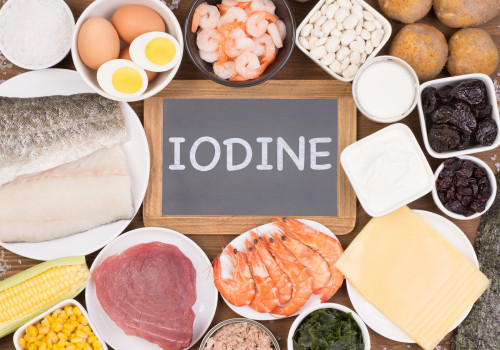
To maintain optimal thyroid function, it is essential to include iodine-rich foods in your diet.
Some excellent sources of iodine include:
- Seafood: Fish and shellfish are among the richest sources of iodine.
- Dairy Products: Milk, yogurt, and cheese provide significant amounts of iodine.
- Iodized Salt: Table salt fortified with iodine is a common dietary source.
- Eggs: Eggs contain moderate levels of iodine, particularly in the yolk.
- Seaweed: Varieties such as kelp are exceptionally high in iodine.
The Benefits of Iodine Supplements
Iodine supplements offer a range of benefits that are crucial for maintaining optimal health, particularly concerning thyroid function. One of the primary advantages of iodine supplementation is its role in preventing goiter, a condition characterized by the enlargement of the thyroid gland.This enlargement often occurs due to iodine deficiency, which can lead to insufficient hormone production. By ensuring adequate iodine intake through supplements, individuals can significantly reduce their risk of developing this condition. In addition to preventing goiter, iodine plays a vital role in supporting various metabolic processes within the body. The thyroid gland utilizes iodine to produce hormones such as thyroxine (T4) and triiodothyronine (T3), which are essential for regulating metabolism. These hormones influence how the body converts food into energy, affecting everything from weight management to energy levels.
Therefore, adequate iodine levels can help maintain a healthy metabolism and support weight loss efforts. Moreover, emerging research suggests that iodine supplementation may have positive effects on cognitive function. Iodine is essential for brain development, particularly during pregnancy and early childhood. Insufficient iodine levels during these critical periods can lead to developmental delays and cognitive impairments. By taking iodine supplements, pregnant women and young children can support healthy brain development and cognitive performance. Furthermore, iodine has been linked to improved immune function.
A well-functioning immune system is crucial for defending against infections and diseases. Iodine's antioxidant properties may help protect cells from oxidative stress, thereby enhancing overall immune response. In summary, the benefits of iodine supplements extend beyond thyroid health. They play a significant role in preventing goiter, supporting metabolic processes, enhancing cognitive function, and boosting immune health. For individuals at risk of deficiency or those who do not consume sufficient dietary iodine, supplementation can be an effective strategy to ensure optimal health outcomes.
Who Needs Iodine Supplements?
Understanding who may benefit from iodine supplements is crucial for maintaining optimal health, particularly for specific populations that are at a higher risk of deficiency.Iodine is essential for the production of thyroid hormones, which play a vital role in metabolism, growth, and development. Below are key groups that may require iodine supplementation:
- Pregnant Women: During pregnancy, the demand for iodine increases significantly. This is because iodine is critical for fetal brain development and overall growth. Insufficient iodine intake during this period can lead to serious developmental issues, including cognitive impairments.
The American Thyroid Association recommends that pregnant women consume at least 220 micrograms of iodine daily.
- Breastfeeding Mothers: Similar to pregnant women, breastfeeding mothers also have heightened iodine needs. The recommended daily intake for lactating women is about 290 micrograms. Iodine is transferred to the infant through breast milk, making it essential for the baby's growth and neurological development.
- Individuals with Thyroid Disorders: People with conditions such as hypothyroidism or Hashimoto's thyroiditis may have altered iodine requirements. While some individuals may need to limit their iodine intake, others might benefit from supplementation to support thyroid function.
It’s essential for these individuals to consult healthcare providers before starting any supplement regimen.
- Vegetarians and Vegans: Those following plant-based diets may be at risk of iodine deficiency due to limited dietary sources. Sea vegetables like seaweed are excellent sources of iodine, but if these are not included in the diet, supplementation may be necessary.
- People Living in Iodine-Deficient Areas: Certain geographic regions have low natural iodine levels in the soil and water, leading to a higher prevalence of deficiency among residents. Individuals living in these areas should consider iodine supplementation as a preventive measure.
Potential Risks and Side Effects of Iodine Supplements
While iodine is essential for maintaining optimal thyroid function, it is crucial to recognize that excessive intake can lead to significant health risks.Understanding the potential risks and side effects associated with iodine supplements is vital for anyone considering their use. One of the primary concerns regarding high iodine intake is the potential for thyroid dysfunction. An excess of iodine can lead to conditions such as hyperthyroidism , where the thyroid gland becomes overactive, producing too much thyroid hormone. Symptoms of hyperthyroidism may include:
- Increased heart rate
- Weight loss
- Nervousness or anxiety
- Heat intolerance
- Increased sweating
- Fatigue
- Weight gain
- Cold intolerance
- Depression
- Dry skin and hair
The safe dosage of iodine varies depending on age, sex, and life stage. For most adults, the recommended daily allowance (RDA) is about 150 micrograms (mcg). Pregnant and breastfeeding women require higher amounts—220 mcg and 290 mcg, respectively—to support fetal and infant development. Exceeding these recommendations can lead to adverse effects. For instance, individuals with pre-existing thyroid conditions should exercise caution when considering iodine supplements.
It is advisable to consult a healthcare professional before starting any supplementation regimen. In addition to thyroid-related issues, excessive iodine intake can also cause gastrointestinal disturbances, including:
- Nausea
- Diarrhea
- Stomach cramps
- Skin rashes or hives
- Difficulties in breathing
- Swelling of the face or throat
Dietary Sources of Iodine: Natural Ways to Boost Intake
Ensuring adequate iodine intake is crucial for maintaining optimal thyroid health. Fortunately, there are numerous dietary sources of iodine that can help individuals meet their daily requirements naturally. Below are some of the most effective ways to boost iodine levels through diet.- Iodized Salt: One of the most common sources of iodine in many diets is iodized salt.
This table salt has been fortified with iodine to help prevent deficiencies. Incorporating iodized salt into your cooking and meals can significantly enhance your iodine intake.
- Seafood: Seafood is among the richest natural sources of iodine. Fish such as cod, tuna, and haddock, as well as shellfish like shrimp and seaweed, provide substantial amounts of this essential mineral. For instance, a single serving of baked cod can contain over 100 micrograms of iodine, making it an excellent choice for those looking to increase their intake.
- Dairy Products: Dairy products are another important source of iodine.
Milk, yogurt, and cheese not only provide calcium but also contribute to your iodine needs. A cup of milk can contain approximately 56 micrograms of iodine, making it a simple addition to your daily diet.
- Certain Vegetables: While vegetables generally contain lower levels of iodine compared to animal products, some varieties can still contribute to your intake. For example, potatoes, navy beans, and certain leafy greens like spinach and kale can provide small amounts of iodine. The iodine content in vegetables can vary based on the soil in which they are grown, so it's beneficial to consume a variety of these foods.
It is essential to maintain a diverse diet that includes these natural sources of iodine while being mindful of the recommended daily intake, which varies by age and life stage. For those who may have dietary restrictions or live in areas with low natural iodine levels in the soil, considering an iodine supplement might be necessary. However, it is always advisable to consult with a healthcare professional before starting any supplementation regimen.
Iodine Deficiency: Symptoms and Consequences
Iodine deficiency is a significant public health concern that can lead to a variety of health issues, particularly affecting the thyroid gland. The thyroid relies on iodine to produce hormones that regulate metabolism, growth, and development. When iodine levels are insufficient, the body may exhibit several symptoms and consequences that can have lasting effects.Symptoms of Iodine Deficiency
The symptoms of iodine deficiency can vary widely among individuals, but some common signs include:- Goiter: One of the most recognizable symptoms is the enlargement of the thyroid gland, known as a goiter.
This occurs as the gland attempts to compensate for low hormone production due to insufficient iodine.
- Fatigue: Individuals may experience persistent fatigue or a general lack of energy, which can be attributed to hormonal imbalances affecting metabolism.
- Weight Gain: A slowed metabolism due to low thyroid hormone levels can lead to unexplained weight gain or difficulty losing weight.
- Cold Intolerance: People with iodine deficiency often feel unusually cold, as their bodies struggle to regulate temperature without adequate thyroid hormones.
- Dry Skin and Hair: Insufficient iodine can lead to dry skin and hair, as well as hair loss, due to hormonal disruptions affecting skin health.
- Cognitive Impairments: In severe cases, iodine deficiency can lead to cognitive issues such as memory problems and difficulty concentrating.
Consequences of Low Iodine
The consequences of low iodine levels extend beyond immediate symptoms. Chronic iodine deficiency can result in serious health complications:- Developmental Issues in Children: Pregnant women who are iodine deficient risk giving birth to children with developmental delays, lower IQs, and other cognitive impairments. Iodine is crucial for fetal brain development during pregnancy.
- Hypothyroidism: Long-term deficiency can lead to hypothyroidism, a condition where the thyroid does not produce enough hormones. This can cause a range of health issues, including heart problems and increased cholesterol levels.
- Increased Risk of Goiter: As mentioned earlier, goiter formation is a direct consequence of chronic iodine deficiency.
This not only affects appearance but can also lead to swallowing and breathing difficulties if the goiter becomes large enough.
Frequently Asked Questions About Iodine and Thyroid Health
Understanding the role of iodine in thyroid health often raises several questions. Here are some of the most frequently asked questions regarding iodine supplementation and its impact on thyroid function.What is the recommended daily intake of iodine?
The recommended daily intake of iodine varies by age and life stage. For most adults, the recommended dietary allowance (RDA) is 150 micrograms (mcg) per day.Pregnant women require more, at about 220 mcg, while breastfeeding mothers need around 290 mcg to support both their health and that of their infants.
Can Iodine supplements help with thyroid disorders?
Iodine supplements
can be beneficial for individuals with iodine deficiency, which can lead to thyroid disorders such as hypothyroidism or goiter. However, it is crucial to consult a healthcare provider before starting any supplementation, as excessive iodine can exacerbate existing thyroid conditions.
Are there any side effects associated with iodine supplements?
While iodine is essential for health, taking too much can lead to side effects such as:- Thyroid dysfunction
- Nausea and gastrointestinal upset
- Metallic taste in the mouth
- Skin rashes
How can I ensure I am getting enough iodine in my diet?
A balanced diet that includes iodine-rich foods can help maintain adequate levels. Foods high in iodine include:- Seaweed (such as kelp)
- Fish and shellfish
- Dairy products
- Iodized salt
- Eggs
Is it safe to take iodine supplements long-term?
The long-term use of iodine supplements should be approached with caution. Regular monitoring by a healthcare provider is recommended to avoid potential toxicity and ensure that thyroid function remains stable.Conclusion: The Vital Role of Iodine in Maintaining Thyroid Health
In summary, iodine plays a crucial role in maintaining optimal thyroid health, which is essential for overall well-being.The thyroid gland relies on iodine to produce hormones that regulate metabolism, energy levels, and various bodily functions. Without adequate iodine intake, individuals may face serious health issues, including goiter, hypothyroidism, and cognitive impairments. Throughout this article, we have explored the numerous iodine supplement benefits , particularly for vulnerable populations such as pregnant and breastfeeding women. These groups require sufficient iodine to support fetal development and ensure proper lactation. The American Thyroid Association emphasizes the importance of meeting the recommended daily intake of 150 micrograms for adults and even higher amounts for pregnant and nursing mothers. Moreover, we discussed how iodine deficiency has become increasingly prevalent in certain regions due to dietary changes and reduced consumption of iodized salt.
This trend poses significant risks, especially for children whose cognitive development can be adversely affected by insufficient iodine levels. It is also important to recognize that while iodine is essential, excessive intake can lead to adverse effects, particularly in individuals with pre-existing thyroid conditions. Therefore, it is vital to approach iodine supplementation with caution and under the guidance of a healthcare professional. In conclusion, ensuring adequate iodine intake through a balanced diet or appropriate supplements is fundamental for maintaining thyroid health. By understanding the significance of this mineral and its impact on our bodies, we can take proactive steps to safeguard our health and prevent potential complications associated with iodine deficiency.
Top Articles
The Importance of Iodine for Thyroid Function
Learn about the crucial role of iodine in maintaining proper thyroid function and how inadequate intake can lead to health issues.

Understanding the Importance of Iodine for Thyroid Health and the Benefits of Iodine Supplements
Discover the importance of iodine for thyroid health and the benefits of iodine supplements in maintaining optimal well-being.
The Essential Role of Iodine Supplementation During Pregnancy and Its Lasting Benefits
Discover the vital role of iodine supplementation during pregnancy and its lasting benefits for health and development.

Exploring the Long-Term Implications of Iodine Supplementation: Benefits and Considerations
Explore the long-term implications of iodine supplementation, its benefits for thyroid health, cognitive function, and potential risks.