Understanding the Impact of Iodine Deficiency on Thyroid Health and the Benefits of Iodine Supplements
Explore the impact of iodine deficiency on thyroid health and discover the benefits of iodine supplements for overall well-being.

Iodine is a trace element that plays a pivotal role in maintaining optimal thyroid health. This essential mineral is crucial for the synthesis of thyroid hormones, which regulate various metabolic processes in the body. Without adequate iodine intake, the thyroid gland cannot function properly, leading to a range of health issues, including goiter and hypothyroidism. The significance of iodine extends beyond just thyroid function; it is vital for overall well-being, influencing everything from energy levels to cognitive function. Despite its importance, many individuals worldwide suffer from iodine deficiency.
This deficiency can arise from various factors, including dietary habits, geographical location, and lifestyle choices. In regions where iodine-rich foods are scarce, such as certain inland areas or places with low seafood consumption, the risk of deficiency increases significantly. Furthermore, modern dietary trends that favor processed foods over whole foods can contribute to inadequate iodine intake. To combat iodine deficiency and support thyroid health, many people turn to iodine supplementsiodine supplements. These supplements can help ensure that individuals receive the necessary amounts of this vital nutrient, especially in populations at risk.
However, it is essential to approach supplementation with caution and ideally under the guidance of a healthcare professional. Over-supplementation can lead to adverse effects and disrupt thyroid function. In summary, understanding the relationship between iodine and thyroid health is crucial for anyone looking to improve their overall health. Ensuring adequate iodine intake through diet or supplements can have profound effects on metabolic health and well-being. As we delve deeper into this topic, we will explore the consequences of iodine deficiency and the benefits of maintaining optimal iodine levels.
What is Iodine and Its Role in the Body?
Iodine
is a trace element that is vital for human health, playing a crucial role in various physiological processes.
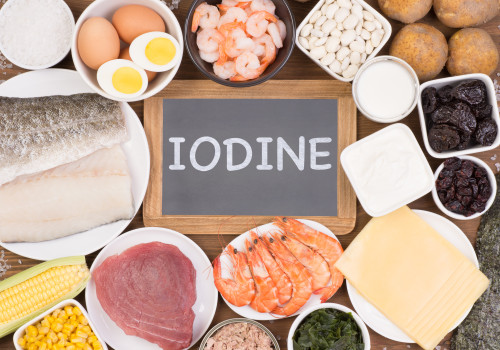
It is primarily known for its importance in the production of thyroid hormones, which are essential for regulating metabolism, growth, and development. Despite being required in only small amounts, iodine deficiency can lead to significant health issues. The body does not produce iodine naturally, which means it must be obtained through diet or supplements. Foods rich in iodine include seafood, dairy products, grains, and iodized salt. In regions where iodine is scarce in the soil, dietary intake may be insufficient, leading to widespread deficiency.
Biological Functions of Iodine
Iodine's primary function is its involvement in the synthesis of thyroid hormones, namely thyroxine (T4) and triiodothyronine (T3).These hormones are critical for:
- Metabolism Regulation: Thyroid hormones help regulate the body's metabolic rate, influencing how efficiently the body converts food into energy.
- Growth and Development: Adequate levels of iodine are essential during pregnancy and early childhood for proper brain development and physical growth.
- Temperature Regulation: Iodine contributes to thermogenesis, helping maintain body temperature by regulating metabolic processes.
- Immune Function: Iodine has been shown to enhance immune responses, helping the body fight off infections.
- Antioxidant Properties: Iodine can act as an antioxidant, protecting cells from oxidative stress and damage.
- Skin Health: Iodine plays a role in maintaining healthy skin by promoting hydration and regulating oil production.
Understanding Iodine Deficiency
Iodine deficiency is a significant public health issue that can lead to various health complications, particularly affecting the thyroid gland. Understanding the causes and symptoms of iodine deficiency is crucial for prevention and treatment.Causes of Iodine Deficiency
- Dietary Insufficiency: The primary cause of iodine deficiency is inadequate dietary intake. Many people do not consume enough iodine-rich foods, such as seafood, dairy products, and iodized salt.
-
Geographical Factors: Certain regions, especially those far from the ocean or with iodine-poor soil, are more prone to iodine deficiency.
This is often referred to as "endemic goiter" areas.
- Increased Demand: Pregnant and breastfeeding women have higher iodine requirements. If their intake does not meet these increased needs, it can lead to deficiency.
- Dietary Restrictions: Individuals following strict vegetarian or vegan diets may also be at risk if they do not supplement their diets with iodine.
Symptoms of Iodine Deficiency
The symptoms of iodine deficiency can vary widely and may not always be immediately apparent. Common symptoms include:
- Goiter: An enlarged thyroid gland is one of the most visible signs of iodine deficiency. It occurs as the gland attempts to compensate for low hormone production.
- Fatigue: Individuals may experience persistent tiredness due to slowed metabolism and reduced energy levels.
- Weight Gain: A lack of sufficient thyroid hormones can lead to weight gain as the body’s metabolism slows down.
- Cognitive Impairment: In severe cases, particularly in children, iodine deficiency can lead to developmental delays and lower IQ levels.
Effects of Iodine Deficiency
The effects of iodine deficiency extend beyond the thyroid gland.
They can impact overall health in several ways:
- Thyroid Disorders: Chronic iodine deficiency can lead to hypothyroidism, characterized by low levels of thyroid hormones, which affects numerous bodily functions.
- Pregnancy Complications: Insufficient iodine during pregnancy can result in serious complications for both mother and child, including cretinism in infants.
- Increased Risk of Thyroid Cancer: Long-term iodine deficiency has been linked to a higher incidence of certain types of thyroid cancer.
The Impact of Iodine Deficiency on the Thyroid Gland
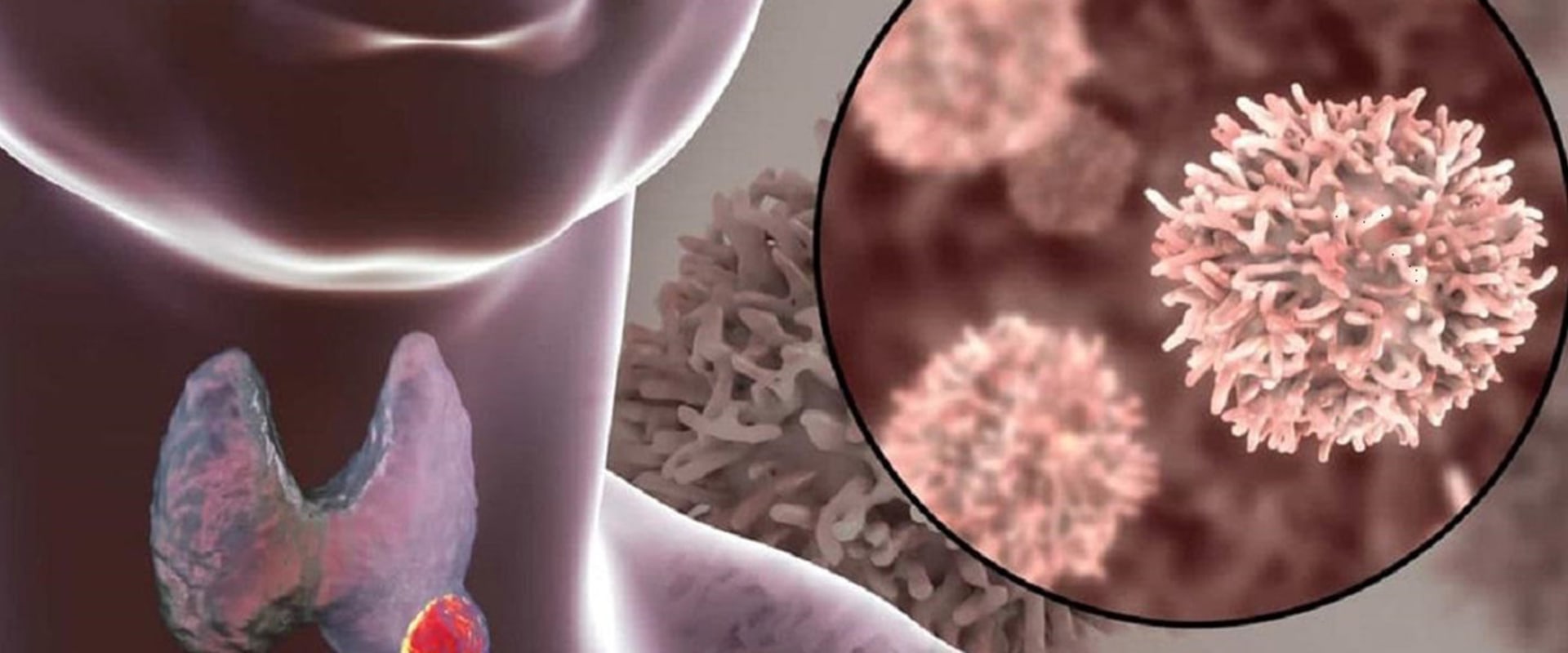
Iodine deficiency is a significant public health concern that directly affects the function of the thyroid gland. The thyroid, a butterfly-shaped gland located in the neck, plays a crucial role in regulating metabolism, growth, and development through the production of thyroid hormones. When iodine levels are insufficient, the synthesis of these hormones is compromised, leading to various thyroid disorders. One of the most common consequences of iodine deficiency is hypothyroidism.This condition occurs when the thyroid does not produce enough hormones to meet the body's needs. Symptoms of hypothyroidism can include fatigue, weight gain, cold intolerance, and depression. In severe cases, it can lead to myxedema, a life-threatening condition characterized by extreme hypothyroidism. Another notable impact of iodine deficiency is the development of a goiter , which is an enlargement of the thyroid gland. As the body attempts to compensate for low hormone levels due to insufficient iodine, the thyroid enlarges in an effort to increase hormone production.
This can lead to visible swelling in the neck and may cause discomfort or difficulty swallowing and breathing. The relationship between iodine deficiency and thyroid disorders is particularly concerning during pregnancy and early childhood. Pregnant women require higher amounts of iodine to support fetal development. Insufficient iodine intake during this critical period can result in developmental delays and cognitive impairments in children. Furthermore, it increases the risk of complications such as preterm birth and stillbirth. In addition to hypothyroidism and goiter, chronic iodine deficiency can lead to more severe thyroid conditions, including autoimmune disorders like Hashimoto's thyroiditis.
This condition occurs when the immune system mistakenly attacks the thyroid gland, further impairing its ability to produce hormones. To mitigate these risks, it is essential for individuals to ensure adequate iodine intake through diet or supplementation. Foods rich in iodine include seafood, dairy products, and iodized salt. For those at risk of deficiency, particularly pregnant women and individuals living in areas with low dietary iodine levels, iodine supplements may be necessary to maintain optimal thyroid function.
Health Consequences of Iodine Deficiency
Iodine deficiency is not merely a concern for thyroid health; it has far-reaching implications that can affect various aspects of human health. The consequences of inadequate iodine intake can manifest in numerous ways, particularly impacting cognitive function and maternal health.Cognitive Effects
One of the most alarming long-term effects of iodine deficiency is its impact on cognitive development, especially in children.
Iodine is crucial for the synthesis of thyroid hormones, which play a vital role in brain development during pregnancy and early childhood. Studies have shown that children born to mothers with iodine deficiency are at a higher risk of experiencing developmental delays, lower IQ levels, and learning disabilities. In severe cases, this can lead to a condition known as cretinism, characterized by profound intellectual disability and physical deformities.
Pregnancy Complications
For pregnant women, the risks associated with iodine deficiency are particularly concerning. Insufficient iodine levels during pregnancy can lead to complications such as:
- Miscarriage: Low iodine levels have been linked to an increased risk of miscarriage and stillbirth.
- Preterm Birth: Women with inadequate iodine intake may be more likely to deliver prematurely.
- Congenital Abnormalities: Iodine deficiency can increase the risk of congenital disabilities in newborns.
Symptoms such as fatigue, depression, and weight gain can significantly affect a woman's quality of life during pregnancy.
Other Health Risks
The complications arising from iodine deficiency extend beyond cognitive and reproductive health. Chronic iodine deficiency can lead to goiter, an enlargement of the thyroid gland that occurs as the body attempts to compensate for low hormone production. This condition can cause discomfort and difficulty swallowing or breathing in severe cases.
Moreover, there is evidence suggesting that iodine deficiency may be linked to an increased risk of certain cancers, particularly thyroid cancer. The lack of adequate iodine may lead to cellular changes in the thyroid gland that predispose individuals to malignancies.
In summary, the health risks associated with iodine deficiency are extensive and multifaceted.
From cognitive impairments in children to serious complications during pregnancy and potential long-term health issues, ensuring adequate iodine intake is essential for overall well-being.
Sources of Iodine in the Diet
Ensuring adequate iodine intake is crucial for maintaining optimal thyroid function and overall health. Fortunately, there are numerous dietary sources of iodine that can help individuals meet their daily requirements. Below are some of the most effective ways to incorporate iodine-rich foods into your diet.-
Seafood: One of the richest sources of iodine is seafood, particularly fish and shellfish. Varieties such as cod, shrimp, and seaweed are exceptionally high in iodine.
For instance, a single serving of baked cod can provide more than 100% of the recommended daily intake.
- Dairy Products: Milk, yogurt, and cheese are significant sources of iodine. The iodine content in dairy products is often attributed to the use of iodized feed for cows. A cup of milk can contain about 56 micrograms of iodine, making it an excellent choice for those looking to boost their intake.
-
Eggs: Eggs are another valuable source of iodine, particularly the yolk. One large egg can provide approximately 24 micrograms of iodine.
Including eggs in your breakfast or meals can be an easy way to enhance your iodine levels.
- Iodized Salt: Using iodized salt in cooking and at the table is one of the simplest methods to ensure adequate iodine intake. Just a quarter teaspoon of iodized salt contains about 71 micrograms of iodine, which contributes significantly to daily needs.
- Fruits and Vegetables: While fruits and vegetables generally contain lower amounts of iodine compared to other sources, certain varieties can still contribute to your intake. For example, potatoes, cranberries, and strawberries have been noted for their iodine content. However, the levels can vary based on soil conditions where they are grown.
-
Incorporate a Variety of Foods: Aim to include a mix of seafood, dairy products, eggs, and iodized salt in your meals.
This variety will help you meet your iodine needs without relying on a single source.
- Be Mindful of Dietary Restrictions: If you follow a vegetarian or vegan diet, consider alternative sources such as seaweed snacks or fortified plant-based milk that contains added iodine.
- Consult with a Healthcare Provider: If you suspect you may not be getting enough iodine or have specific dietary concerns, consult with a healthcare professional who can provide personalized recommendations.
The Benefits of Iodine Supplements
Iodine supplements can play a vital role in maintaining optimal thyroid health, especially for individuals who are at risk of deficiency or those already experiencing thyroid-related issues. The benefits of iodine supplementation extend beyond just supporting thyroid function; they encompass a range of physiological processes that are crucial for overall well-being.1.Supporting Thyroid Hormone Production
Iodine is an essential component in the synthesis of thyroid hormones, namely thyroxine (T4) and triiodothyronine (T3). These hormones regulate metabolism, energy levels, and overall growth and development. For individuals with low iodine intake, supplementation can help restore adequate hormone levels, thereby improving metabolic function and energy production.
2.Enhancing Cognitive Function
Research indicates that iodine plays a significant role in cognitive development, particularly in children.
Adequate iodine levels during pregnancy and early childhood are crucial for brain development. Iodine supplementation can help prevent cognitive impairments associated with deficiency, ensuring that both mothers and their children maintain optimal brain health.
3.Reducing the Risk of Goiter
A goiter is an enlargement of the thyroid gland often caused by iodine deficiency. By taking iodine supplements, individuals can significantly reduce their risk of developing this condition. Regular supplementation helps maintain normal thyroid size and function, preventing the discomfort and complications associated with goiter.
4.When to Take Iodine Supplements
Timing can be important when it comes to taking iodine supplements.
It is generally recommended to take them with meals to enhance absorption. However, individuals should consult healthcare professionals for personalized advice based on their specific health needs and dietary habits.
5.Advantages of Iodine Supplementation
- Convenience: Iodine supplements are widely available and easy to incorporate into daily routines.
- Targeted Support: For those with specific health conditions or dietary restrictions that limit iodine intake, supplements provide a direct way to meet nutritional needs.
- Preventive Health: Regular supplementation can serve as a preventive measure against potential deficiencies, particularly in regions where iodine-rich foods are scarce.
How to Choose an Iodine Supplement
Choosing the right iodine supplement can be a crucial step in addressing iodine deficiency and supporting thyroid health. With various options available on the market, it’s essential to understand the different types of iodine supplements and how to select one that aligns with your individual health needs.Types of Iodine Supplements
-
Iodine Tinctures: These are liquid forms of iodine that can be applied topically or taken orally.
They are often used for quick absorption and can be beneficial for those who prefer not to take pills.
- Iodine Tablets or Capsules: These are the most common forms of iodine supplements. They come in various dosages, making it easier to control intake based on individual requirements.
- Kelp Supplements: Derived from seaweed, kelp is a natural source of iodine. It also contains other beneficial nutrients, but it’s important to ensure that the kelp is sourced from clean waters to avoid contaminants.
- Potassium Iodide: This form is often used in emergency situations, such as nuclear exposure, but it can also be taken as a supplement. It’s important to use this under medical supervision due to its potency.
Factors to Consider When Choosing an Iodine Supplement
When selecting an iodine supplement, consider the following factors:-
Dosage: The recommended daily allowance (RDA) for iodine varies by age and life stage.
Adults typically need about 150 micrograms per day, while pregnant and breastfeeding women require more. Always check the dosage on the label and consult with a healthcare provider if unsure.
- Formulation: Some supplements may include additional vitamins or minerals that can enhance absorption or provide synergistic benefits. Look for formulations that suit your overall health goals.
- Quality and Purity: Choose supplements from reputable brands that undergo third-party testing for quality and purity. This ensures that you are getting a product free from harmful contaminants.
-
Health Conditions: If you have existing health conditions, particularly thyroid disorders, consult with a healthcare professional before starting any supplement regimen.
They can help determine the best type and dosage for your specific needs.
FAQs About Iodine and Thyroid Health
Understanding the relationship between iodine and thyroid health is crucial for maintaining overall well-being. Here are some frequently asked questions that can help clarify common concerns regarding iodine intake and supplementation.What is the recommended daily intake of iodine?
The recommended daily allowance (RDA) for iodine varies by age and life stage. For most adults, the RDA is 150 micrograms per day.Pregnant and breastfeeding women require higher amounts, with recommendations of 220 micrograms and 290 micrograms , respectively. It's essential to consult with a healthcare provider to determine individual needs.
How can I tell if I have an iodine deficiency?
Iodine deficiency can manifest through various symptoms, including:- Fatigue
- Weight gain
- Cold intolerance
- Dry skin and hair
- An enlarged thyroid gland (goiter)
Are iodine supplements safe?
Iodine supplements can be beneficial, especially for individuals at risk of deficiency, such as those living in areas with low dietary iodine. However, excessive intake can lead to thyroid dysfunction, including hyperthyroidism or hypothyroidism.It is crucial to follow recommended dosages and consult a healthcare provider before starting any supplementation.
Can I get enough iodine from my diet?
A balanced diet rich in iodine-containing foods can help meet daily requirements. Foods such as:- Seaweed
- Fish and shellfish
- Dairy products
- Eggs
- Iodized salt
What are the effects of excess iodine on thyroid health?
While adequate iodine is vital for thyroid function, too much can disrupt hormone production. Excessive iodine intake may lead to conditions such as:- Iodine-induced hyperthyroidism
- Autoimmune thyroiditis
- Thyroid nodules
Conclusion: The Importance of Adequate Iodine Intake for Thyroid Health
In summary, the significance of maintaining adequate iodine levels cannot be overstated, particularly when it comes to ensuring optimal thyroid function.The thyroid gland, a small but vital organ located in the neck, relies heavily on iodine to produce essential hormones that regulate metabolism, growth, and development. Without sufficient iodine intake, individuals may face a range of health issues, including hypothyroidism, goiter, and even more severe complications such as cognitive impairments in children and increased risks of thyroid cancer. Throughout this article, we have explored the various iodine supplement benefits and the critical role iodine plays in our overall health. Here are some key takeaways:
- Iodine is essential for the synthesis of thyroid hormones, which are crucial for metabolic regulation.
- A deficiency in iodine can lead to serious health consequences, including developmental issues in children and complications during pregnancy.
- Dietary sources of iodine include iodized salt, dairy products, seafood, and certain grains; however, many people do not consume enough of these foods.
- Iodine supplements can be an effective way to ensure adequate intake, especially for those at risk of deficiency.
- Regular monitoring of iodine levels is important for individuals living in areas where deficiency is common.
By understanding the implications of iodine deficiency and taking proactive measures to ensure sufficient intake, individuals can support their thyroid function and enhance their quality of life.
Top Articles
Exploring the Benefits and Risks of Iodine Supplementation
Discover the essential benefits and potential risks of iodine supplementation for thyroid health, metabolism, and cognitive function.

The Hidden Dangers of Excessive Iodine Consumption: Understanding Iodine Supplement Benefits
Explore the risks and benefits of iodine consumption, including its impact on thyroid health and the dangers of excessive intake.

Understanding the Essential Role of Iodine in Our Health and the Benefits of Iodine Supplements
Discover the vital role of iodine in health, its benefits, and the importance of iodine supplements for optimal well-being.
The Essential Role of Iodine in Health: Understanding the Benefits of Iodine Supplements
Discover the vital benefits of iodine supplements for thyroid health, cognitive function, and overall well-being. Learn more about iodine intake.