Understanding the Impact of Low Iodine on Your Health and the Benefits of Iodine Supplements
Discover the effects of low iodine on health and the benefits of iodine supplements for thyroid function and cognitive development.

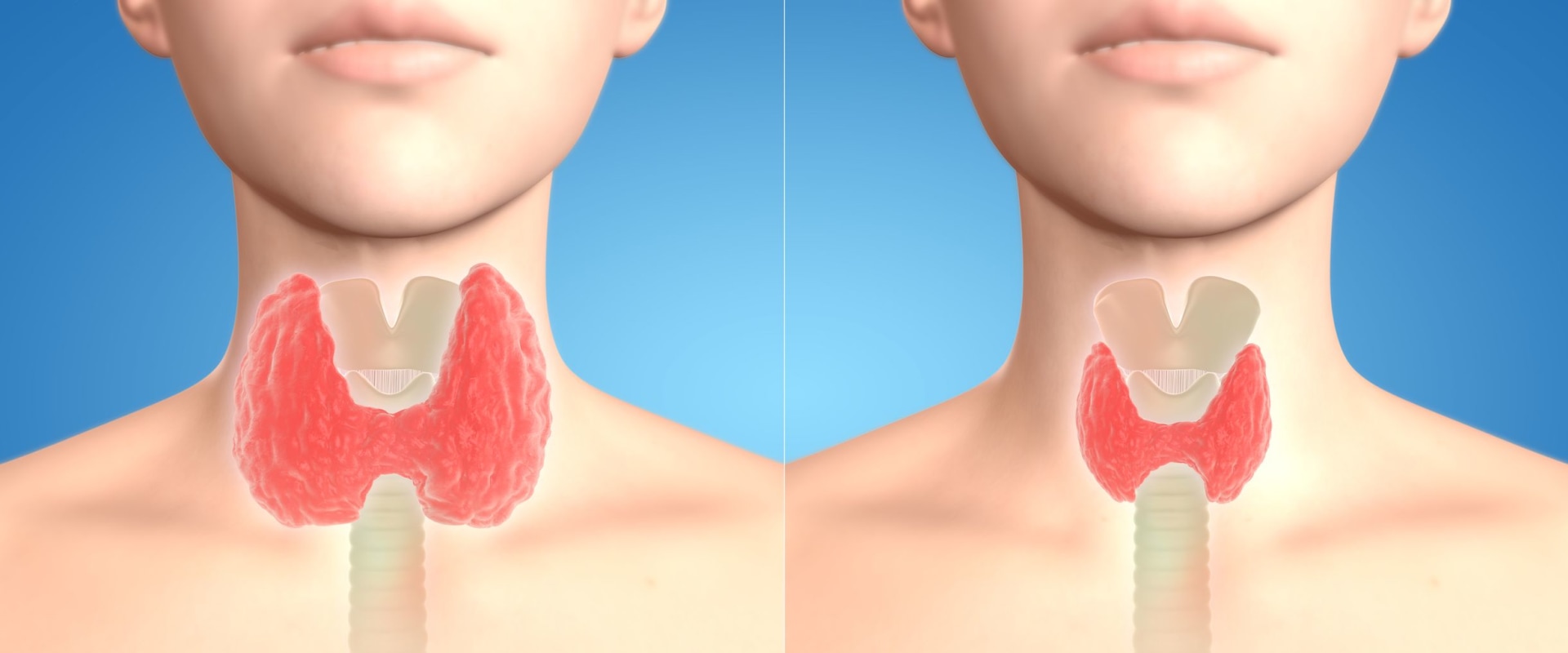
Iodine is a trace element that plays a vital role in maintaining optimal health. As an essential nutrient, it is crucial for the production of thyroid hormones, which regulate various bodily functions, including metabolism, growth, and development. Despite its importance, many individuals worldwide suffer from iodine deficiency , which can lead to a range of health issues. Understanding the significance of iodine and the consequences of its deficiency is essential for promoting overall well-being. The thyroid gland, located in the neck, relies on iodine to produce hormones such as thyroxine (T4) and triiodothyronine (T3).
These hormones are responsible for regulating metabolic processes, influencing how the body uses energy, and supporting proper growth and development. Without adequate iodine intake, the thyroid cannot function effectively, leading to conditions such as hypothyroidism, characterized by fatigue, weight gain, and cognitive impairment. Moreover, iodine deficiency can have severe implications beyond thyroid health. It is linked to developmental issues in children, including intellectual disabilities and growth retardation. Pregnant women with insufficient iodine levels risk complications that can affect fetal brain development, resulting in long-term cognitive deficits in their children.
This highlights the critical need for sufficient iodine intake across all life stages. Incorporating iodine-rich foods into your diet or considering iodine supplements can help mitigate these risks. Foods such as fish, dairy products, and iodized salt are excellent sources of this essential nutrient. By prioritizing iodine intake, individuals can support their thyroid function and overall health while preventing the adverse effects associated with deficiency.
What is Iodine Deficiency?
Iodine deficiency
occurs when the body does not receive an adequate amount of iodine, a trace element essential for the production of thyroid hormones. These hormones play a critical role in regulating metabolism, growth, and development.
When iodine levels are insufficient, it can lead to various health issues, particularly affecting the thyroid gland.
Causes of Iodine Deficiency
- Dietary Insufficiency: The most common cause of iodine deficiency is a diet lacking in iodine-rich foods. This is particularly prevalent in regions where the soil is low in iodine, which affects the crops grown there.
- Geographical Factors: Certain areas, especially inland or mountainous regions, may have naturally low iodine levels in the soil and water supply. This can lead to a higher prevalence of deficiency among populations living in these areas.
- Increased Demand: Certain life stages, such as pregnancy and lactation, increase the body's demand for iodine. If dietary intake does not meet these heightened needs, deficiency can occur.
- Malabsorption Disorders: Conditions that affect nutrient absorption in the gut, such as celiac disease or Crohn's disease, can also lead to iodine deficiency.
Symptoms of Low Iodine
The symptoms of iodine deficiency can vary widely and may not always be immediately apparent.
Some common symptoms include:
- Goiter: An enlargement of the thyroid gland, which can cause visible swelling at the base of the neck.
- Fatigue: A general feeling of tiredness or lack of energy is often reported by individuals with low iodine levels.
- Weight Gain: Insufficient thyroid hormone production can lead to a slower metabolism, resulting in unexplained weight gain.
- Cognitive Impairment: Low iodine levels have been linked to difficulties with concentration and memory, particularly in children.
- Cold Intolerance: Individuals may feel unusually cold due to a slowed metabolism affecting body temperature regulation.
The Health Consequences of Low Iodine Levels
Low iodine levels can lead to a myriad of health issues, significantly affecting both physical and mental well-being. One of the most alarming consequences of iodine deficiency is its profound impact on cognitive function. Research indicates that insufficient iodine during critical periods of brain development, particularly in utero and early childhood, can result in cognitive impairment. This impairment can manifest as reduced IQ levels, learning disabilities, and difficulties in attention and memory. In adults, the effects of low iodine can be equally concerning.Chronic iodine deficiency is linked to an increased risk of developing hypothyroidism , a condition where the thyroid gland fails to produce adequate hormones. This hormonal imbalance can lead to a range of symptoms including:
- Fatigue and lethargy
- Weight gain
- Depression and mood swings
- Hair loss and dry skin
- Cold intolerance
For instance, pregnant women who do not receive sufficient iodine may face risks such as:
- Increased likelihood of miscarriage
- Preterm birth
- Developmental delays in their children
Iodine's Role in Thyroid Function
Iodine is an essential trace element that plays a pivotal role in the production of thyroid hormones, which are crucial for regulating various metabolic processes in the body. The thyroid gland, located in the front of the neck, utilizes iodine to synthesize two primary hormones: thyroxine (T4) and triiodothyronine (T3).These hormones are vital for maintaining metabolic rate, heart function, digestive health, and even brain development. When iodine levels are insufficient, the thyroid gland struggles to produce adequate amounts of these hormones, leading to a condition known as hypothyroidism. This disorder can manifest through a variety of symptoms, including fatigue, weight gain, sensitivity to cold, and depression. In severe cases, hypothyroidism can lead to more serious health issues such as myxedema coma, which is a life-threatening condition. One of the most visible signs of iodine deficiency is the development of a goiter, which is an enlargement of the thyroid gland. As the body attempts to compensate for low hormone production due to insufficient iodine intake, the thyroid enlarges in an effort to capture more iodine from the bloodstream.
While goiters are often benign, they can cause discomfort and complications such as difficulty swallowing or breathing if they grow large enough to compress surrounding structures. In addition to physical symptoms, iodine deficiency can have profound effects on cognitive function. Studies have shown that inadequate iodine levels during critical periods of brain development can lead to intellectual disabilities and lower IQ scores in children. This highlights the importance of ensuring sufficient iodine intake not only for adults but also for pregnant women and young children. To prevent these adverse effects, it is crucial to incorporate iodine-rich foods into your diet or consider iodine supplements if necessary. Foods such as fish, dairy products, eggs, and iodized salt are excellent sources of this essential nutrient.
Regular monitoring of iodine levels and thyroid function can help mitigate the risks associated with deficiency and maintain overall health.
Cognitive Effects of Iodine Deficiency
The relationship between iodine deficiency and cognitive function is profound and alarming. Iodine is essential for the synthesis of thyroid hormones, which play a critical role in brain development, particularly during the prenatal and early childhood stages. Insufficient iodine levels can lead to significant cognitive impairments, affecting not only individual health but also societal productivity. Research has shown that children who are iodine deficient may experience a range of cognitive issues, including:- Lower IQ Levels: Studies indicate that iodine deficiency can result in a decrease in IQ by as much as 10-15 points. This decline can have lasting effects on educational attainment and overall life opportunities.
- Impaired Learning Abilities: Children with low iodine levels often struggle with learning new concepts and retaining information, which can hinder their academic performance.
- Delayed Development: Cognitive development milestones may be delayed in iodine-deficient children, affecting their ability to communicate, solve problems, and interact socially.
- Memory Issues: Adults may experience difficulties with memory retention and recall, impacting both personal and professional aspects of life.
- Concentration Problems: A lack of iodine can lead to decreased attention span and focus, making it challenging to complete tasks efficiently.
- Mood Disorders: Cognitive impairments related to iodine deficiency can also contribute to mood disorders such as depression and anxiety, further complicating mental health.
It is crucial for pregnant women to ensure adequate iodine intake to support fetal brain development. Even mild deficiencies during pregnancy can lead to long-term cognitive deficits in children. Therefore, public health initiatives aimed at increasing awareness about the importance of iodine are essential for preventing these cognitive impairments. In conclusion, addressing iodine deficiency through dietary changes or supplementation can significantly enhance cognitive function and overall brain health. Ensuring sufficient iodine intake is not just a personal health issue; it is a public health priority that can shape the future of communities worldwide.
Iodine Supplement Benefits
Taking iodine supplements can provide numerous health benefits, particularly for individuals who are at risk of iodine deficiency.These supplements are designed to help restore optimal iodine levels in the body, which is essential for the proper functioning of the thyroid gland and overall metabolic health. One of the primary benefits of iodine supplements is their ability to support thyroid function. The thyroid gland relies on iodine to produce hormones that regulate metabolism, energy levels, and even mood. When iodine levels are insufficient, it can lead to conditions such as hypothyroidism, characterized by fatigue, weight gain, and depression. By supplementing with iodine, individuals can help prevent these symptoms and promote a healthier thyroid. Moreover, iodine plays a crucial role in cognitive function.
Research has shown that adequate iodine intake is vital for brain development, especially during pregnancy and early childhood. Iodine deficiency during these critical periods can lead to developmental delays and lower IQ levels in children. Therefore, taking iodine supplements can be particularly beneficial for pregnant women and nursing mothers to ensure both their health and that of their developing child.
How to Take Iodine Supplements
When considering iodine supplementation, it is essential to follow recommended dosages. Most adults require about 150 micrograms of iodine per day, but this amount may vary based on individual health needs and life stages.It is advisable to consult with a healthcare provider before starting any supplement regimen to determine the appropriate dosage. Iodine supplements are available in various forms, including:
- Iodine tinctures: Liquid forms that can be taken directly or added to water.
- Kelp tablets: Derived from seaweed, these provide a natural source of iodine along with other nutrients.
- Iodide salts: These are often used in cooking and can be an easy way to increase iodine intake.
- Potassium iodide: A common form used in supplements that effectively raises iodine levels in the body.
Dietary Sources of Iodine
Ensuring adequate iodine intake is essential for maintaining optimal health, particularly for thyroid function. A balanced diet that includes a variety of iodine-rich foods can help prevent deficiency and its associated health issues. Below are some of the most significant dietary sources of iodine:- Seafood: Fish and shellfish are among the richest sources of iodine.
Varieties such as cod, shrimp, and seaweed are particularly high in this essential nutrient. For instance, a single serving of baked cod can provide more than 100% of the daily recommended intake.
- Dairy Products: Milk, yogurt, and cheese are excellent sources of iodine. The iodine content in dairy products can vary based on the feed given to cows, but generally, they contribute significantly to daily iodine intake.
- Eggs: Eggs are another good source of iodine, especially the yolk. Including eggs in your diet can help boost your iodine levels while also providing other essential nutrients.
- Iodized Salt: One of the most common dietary sources of iodine is iodized salt.
This is table salt that has been fortified with iodine to help prevent deficiency in populations where dietary sources may be lacking. Using iodized salt in cooking and at the table can significantly enhance your iodine intake.
- Fruits and Vegetables: While fruits and vegetables generally contain lower amounts of iodine compared to animal products, certain varieties like potatoes, cranberries, and strawberries can still contribute to your overall intake. The iodine content in these foods can also depend on the soil in which they were grown.
Therefore, it’s best to aim for a balanced approach. If you suspect you may not be getting enough iodine from your diet, consider consulting with a healthcare provider or a nutritionist who can guide you on appropriate dietary changes or supplementation if necessary.
How to Recognize Iodine Deficiency Symptoms
Recognizing the symptoms of iodine deficiency is crucial for maintaining optimal health. The body relies on iodine to produce thyroid hormones, which regulate various metabolic processes. When iodine levels are insufficient, a range of symptoms can manifest, indicating a potential deficiency.Common Symptoms of Iodine Deficiency
- Goiter: One of the most visible signs is an enlarged thyroid gland, known as a goiter. This swelling can be seen at the base of the neck and may cause discomfort.
- Fatigue: Persistent tiredness or fatigue can occur due to hormonal imbalances caused by low iodine levels.
- Weight Gain: A slowed metabolism due to insufficient thyroid hormones can lead to unexplained weight gain.
- Cold Sensitivity: Individuals may feel unusually cold or have difficulty tolerating cold temperatures.
- Hair Loss: Thinning hair or hair loss can be a symptom of hypothyroidism linked to iodine deficiency.
- Cognitive Impairment: Difficulty concentrating, memory issues, and overall cognitive decline can be associated with low iodine levels.
- Dry Skin: Skin may become dry and flaky due to hormonal changes affecting skin health.
How to Test for Iodine Deficiency
If you suspect you have an iodine deficiency, it’s essential to consult with a healthcare provider.They may recommend specific tests, such as:
- Urinary Iodine Concentration Test: This is the most common method for assessing iodine status. A urine sample is analyzed to determine iodine levels, as about 90% of dietary iodine is excreted through urine.
- Blood Tests: Blood tests can measure thyroid hormone levels and help identify any dysfunction related to iodine deficiency.
When to See a Doctor
If you experience any combination of the symptoms listed above, it’s important to seek medical advice promptly. Early intervention can prevent more severe health issues related to prolonged iodine deficiency. Additionally, if you are pregnant or planning to become pregnant, it’s crucial to ensure adequate iodine intake, as deficiencies during pregnancy can affect fetal development. In summary, being aware of the symptoms of iodine deficiency and knowing when to seek medical help can significantly impact your overall health and well-being.Regular check-ups and discussions with your healthcare provider about your dietary intake can help maintain optimal iodine levels in your body.
Preventing Iodine Deficiency: Tips and Recommendations
Maintaining adequate iodine levels is essential for overall health, and there are several practical strategies you can implement to prevent iodine deficiency. Here are some effective tips and recommendations:- Incorporate Iodine-Rich Foods: One of the most straightforward ways to boost your iodine intake is by including iodine-rich foods in your diet. Foods such as fish (especially cod and tuna), dairy products, eggs, and seaweed are excellent sources of iodine. Incorporating these into your meals can significantly enhance your iodine levels.
- Use Iodized Salt: Opt for iodized salt instead of regular table salt.
Iodized salt is fortified with iodine, making it an easy way to ensure you are getting enough of this vital nutrient. Just a small amount can help meet your daily requirements.
- Consider Supplements: If you suspect that your diet may not provide sufficient iodine, consider taking an iodine supplement. However, it’s crucial to consult with a healthcare provider before starting any new supplement regimen to determine the appropriate dosage for your needs.
- Be Mindful of Goitrogens: Certain foods, known as goitrogens, can interfere with iodine absorption and thyroid function. These include cruciferous vegetables like broccoli, cauliflower, and kale when consumed in large amounts.
While these foods are healthy, it’s wise to balance their intake with iodine-rich foods.
- Monitor Your Health: Regular check-ups with your healthcare provider can help monitor your thyroid function and overall health. If you experience symptoms related to iodine deficiency or thyroid dysfunction, such as fatigue or weight changes, seek medical advice promptly.
- Educate Yourself: Understanding the importance of iodine in your diet can empower you to make better food choices. Stay informed about the recommended daily intake of iodine and how various factors—such as pregnancy or certain health conditions—can affect your needs.
Conclusion: The Importance of Maintaining Healthy Iodine Levels
In conclusion, maintaining healthy iodine levels is crucial for overall well-being and optimal bodily function.As we have explored throughout this article, iodine deficiency can lead to a myriad of health issues, including thyroid dysfunction, cognitive impairments, and even severe developmental disorders in children. The importance of iodine cannot be overstated, as it plays a vital role in hormone production and metabolic regulation. To ensure adequate iodine intake, it is essential to incorporate iodine-rich foods into your diet. For those who may struggle to meet their iodine needs through diet alone, iodine supplements can provide a practical solution. These supplements can help bridge the gap for individuals at risk of deficiency, including pregnant women, vegetarians, and those living in areas with low iodine levels in the soil. Moreover, regular monitoring of iodine levels can be beneficial, especially for individuals experiencing symptoms associated with deficiency.
Consulting with a healthcare provider can help determine if supplementation is necessary and what dosage would be appropriate. In summary, the benefits of maintaining adequate iodine levels extend beyond just preventing deficiency; they encompass improved cognitive function, enhanced metabolic health, and overall vitality. By prioritizing iodine intake through a balanced diet and appropriate supplementation when needed, individuals can safeguard their health against the adverse effects of low iodine levels. Ultimately, awareness and proactive measures are key to ensuring that you and your loved ones maintain optimal iodine levels. Taking these steps not only supports individual health but also contributes to the well-being of communities at large.
Top Articles
The Truth About Taking Iodine Pills Every Day: Exploring Iodine Supplement Benefits
Discover the benefits and risks of taking iodine pills daily. Learn how iodine supplements can support thyroid health and overall well-being.

The Importance of Iodine: Signs and Symptoms of Deficiency
Learn about the signs and symptoms of iodine deficiency from an expert in nutrition. Find out how this essential mineral affects our bodies and what you can do to ensure you're getting enough.

Exploring the Benefits and Risks of Iodine Supplements: A Comprehensive Guide
Discover the essential benefits and risks of iodine supplements for thyroid health, metabolism, and overall well-being in this comprehensive guide.

The Comprehensive Guide to the Pros and Cons of Incorporating Iodine into Your Daily Routine
Explore the benefits and risks of incorporating iodine into your daily routine for optimal health and thyroid function.