Exploring the Benefits and Risks of Iodine Supplements: A Comprehensive Guide
Discover the essential benefits and risks of iodine supplements for thyroid health, metabolism, and overall well-being in this comprehensive guide.


Iodine is a trace mineral that plays a pivotal role in maintaining optimal health and well-being. Despite its small quantity requirement, the impact of iodine on the human body is profound. This essential nutrient is primarily known for its critical function in the production of thyroid hormones, which are vital for regulating metabolism, growth, and development. Without adequate iodine, the body struggles to produce these hormones, leading to a range of health issues that can affect individuals at any stage of life. The importance of iodine cannot be overstated, particularly for pregnant women and young children.
During pregnancy, sufficient iodine levels are crucial for fetal brain development and overall growth. Insufficient iodine intake during this period can lead to severe consequences, including intellectual disabilities and developmental delays in children. Furthermore, iodine deficiency can result in goiter, a condition characterized by an enlarged thyroid gland, as the body attempts to compensate for the lack of hormone production. Globally, iodine deficiency remains a significant public health concern. Many populations, especially those who follow restrictive diets or live in areas with low natural iodine levels in the soil and water, are at risk.
The World Health Organization has recognized this issue and advocates for iodine fortification programs to ensure that everyone receives adequate amounts of this essential mineral. Understanding the role of iodine in health is crucial as it sets the foundation for discussing the potential benefits and risks associated with iodine supplementation.
The Benefits of Iodine Supplements
Iodine supplements offer a range of health benefits that are essential for maintaining optimal bodily functions. One of the most significant advantages of iodine is its critical role in supporting thyroid health. The thyroid gland relies on iodine to produce hormones that regulate metabolism, growth, and development.Without sufficient iodine, the thyroid cannot function properly, leading to conditions such as hypothyroidism, which can cause fatigue, weight gain, and depression. Moreover, iodine plays a vital role in the synthesis of thyroid hormones, particularly thyroxine (T4) and triiodothyronine (T3). These hormones are crucial for regulating metabolic processes in the body. A well-functioning metabolism is essential for energy production, weight management, and overall vitality. By taking iodine supplements, individuals can help ensure their thyroid gland operates efficiently, thereby enhancing their metabolic rate and energy levels. Another important benefit of iodine supplementation is its potential to prevent deficiency-related diseases.
Iodine deficiency can lead to serious health issues, including goiter (an enlargement of the thyroid gland), intellectual disabilities in children, and complications during pregnancy. Pregnant women require higher levels of iodine to support fetal development; insufficient intake can result in developmental delays and cognitive impairments in infants. Additionally, iodine has been shown to have antimicrobial properties. It can help combat infections by inhibiting the growth of harmful bacteria and viruses. This makes iodine not only beneficial for thyroid health but also for overall immune function. In summary, the benefits of iodine supplements extend beyond just thyroid support.
They play a crucial role in metabolic regulation, disease prevention, and immune health. For those at risk of deficiency or with specific health concerns related to thyroid function, incorporating iodine supplements into their diet may be a wise choice. However, it is always advisable to consult with a healthcare professional before starting any supplementation regimen.
Iodine Deficiency: Causes and Consequences
Iodine deficiency is a significant public health issue that affects millions of people worldwide. Understanding the causes and consequences of this deficiency is crucial for addressing its impact, particularly among vulnerable populations such as pregnant women and infants.Causes of Iodine Deficiency
- Dietary Insufficiency: The primary cause of iodine deficiency is inadequate dietary intake.
Many individuals do not consume enough iodine-rich foods, such as seafood, dairy products, and iodized salt. This is especially true in regions where the soil is low in iodine, leading to crops that are also deficient.
- Geographical Factors: Certain areas, particularly inland regions and mountainous terrains, are more prone to iodine deficiency due to low natural iodine levels in the soil and water. Populations living in these areas often have limited access to iodine-rich foods.
- Dietary Restrictions: Individuals following strict vegetarian or vegan diets may be at higher risk for iodine deficiency if they do not include fortified foods or supplements in their diet. Additionally, those with food allergies that limit their intake of iodine-rich foods may also be affected.
- Increased Demand: Pregnant and breastfeeding women have a higher requirement for iodine due to the needs of the developing fetus or infant.
If their dietary intake does not meet this increased demand, they can quickly become deficient.
Effects of Iodine Deficiency
The consequences of iodine deficiency can be severe and far-reaching:
- Thyroid Disorders: Iodine is essential for the production of thyroid hormones. A deficiency can lead to conditions such as goiter (enlargement of the thyroid gland) and hypothyroidism, which can cause fatigue, weight gain, and depression.
- Cognitive Impairments: In children, iodine deficiency can result in developmental delays and lower IQ levels. Studies have shown that even mild deficiencies during pregnancy can adversely affect a child's cognitive development.
- Pregnancy Complications: Pregnant women who are iodine deficient are at an increased risk for complications such as miscarriage, stillbirth, and congenital abnormalities. The developing brain of the fetus is particularly vulnerable to the effects of inadequate iodine.
Who is at Risk for Iodine Deficiency?
Certain groups are more susceptible to iodine deficiency:
- Pregnant Women: As mentioned earlier, pregnant women have increased iodine needs and may not meet these requirements through diet alone.
- Infants and Young Children: Infants who are exclusively breastfed by mothers with low iodine levels may not receive adequate amounts of this essential nutrient.
- Elderly Individuals: Older adults may have dietary restrictions or health issues that limit their intake of iodine-rich foods.
- People Living in Iodine-Deficient Regions: Those residing in areas known for low soil iodine levels are at a higher risk unless they take preventive measures such as using iodized salt or supplements.
Potential Risks of Iodine Supplementation
While iodine is essential for various bodily functions, particularly in maintaining thyroid health, taking iodine supplements can pose certain risks.Understanding these potential dangers is crucial for anyone considering supplementation.
Excessive Iodine Intake
One of the primary concerns with iodine supplementation is the risk of excessive intake. The recommended daily allowance (RDA) for iodine varies by age and life stage, but for most adults, it is around 150 micrograms. Consuming significantly more than this amount can lead to a condition known as iodine toxicity.
Symptoms of iodine toxicity can include:
- Nausea and vomiting
- Diarrhea
- Abdominal pain
- Burning sensations in the mouth and throat
- Fever
- Weak pulse
- In severe cases, coma or death
Impact on Thyroid Health
The thyroid gland plays a pivotal role in regulating metabolism and overall health by producing hormones that require iodine. However, both insufficient and excessive iodine can disrupt this delicate balance.
An overload of iodine can lead to hyperthyroidism, a condition where the thyroid produces too much hormone, resulting in symptoms such as:
- Weight loss despite increased appetite
- Nervousness or anxiety
- Tremors
- Increased sweating
- Menstrual irregularities in women
Individual Variability and Pre-existing Conditions
The risks associated with iodine supplementation can vary significantly among individuals, particularly those with pre-existing thyroid conditions. For instance, individuals with autoimmune thyroid diseases such as Hashimoto's thyroiditis or Graves' disease may experience exacerbated symptoms when taking iodine supplements. It is essential for anyone considering iodine supplementation to consult with a healthcare provider. A thorough evaluation of individual health status and dietary intake can help determine whether supplementation is necessary and safe.
How to Safely Take Iodine Supplements
Incorporating iodine supplements into your diet can be beneficial, but it is essential to do so safely to avoid potential health risks.Here are some guidelines to help you navigate the process of taking iodine supplements effectively.
Consulting a Healthcare Professional
Before starting any supplement regimen, including iodine, it is crucial to consult with a healthcare professional. This is especially important for individuals with pre-existing thyroid conditions or those who are pregnant or breastfeeding. A doctor can assess your specific health needs and determine whether iodine supplementation is necessary for you.
Understanding Recommended Dosages
The recommended daily allowance (RDA) for iodine varies by age, sex, and life stage. For most adults, the RDA is about 150 micrograms per day.
Pregnant and breastfeeding women require higher amounts—220 micrograms and 290 micrograms, respectively. However, exceeding the upper limit of 1,100 micrograms per day can lead to adverse effects. When considering iodine supplements, it’s essential to:
- Choose a reputable brand that provides clear labeling on dosage and purity.
- Start with a lower dose to assess your body’s response before gradually increasing it if necessary.
- Avoid combining multiple sources of iodine (such as iodized salt and supplements) without professional guidance.
Monitoring Your Health
Once you begin taking iodine supplements, monitor your health closely for any changes or symptoms that may arise. Common side effects of excessive iodine intake can include:
- Nausea
- Diarrhea
- Thyroid dysfunction
Regular Check-Ups
Regular check-ups with your healthcare provider can help ensure that your iodine levels remain within a safe range. Blood tests may be necessary to monitor thyroid function and overall iodine status in your body. By following these guidelines and prioritizing safety, you can effectively incorporate iodine supplements into your diet while minimizing potential risks associated with improper use.
Iodine Sources: Natural vs.
Supplementation When it comes to ensuring adequate iodine intake, understanding the sources of this essential mineral is crucial. Iodine can be obtained from both natural dietary sources and supplements, each offering unique benefits and considerations.
Natural Sources of Iodine
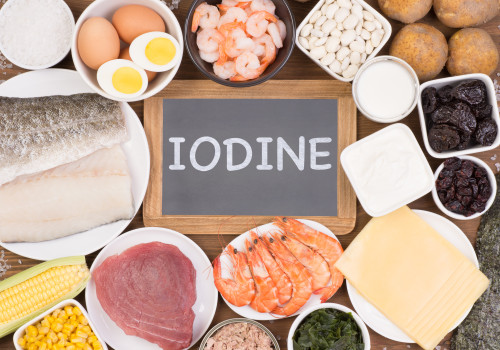
Natural dietary sources of iodine are often the best way to meet your daily requirements. Here are some of the most effective sources:- Seafood: Fish and shellfish are among the richest sources of iodine. Varieties such as cod, shrimp, and seaweed (especially kelp) contain significant amounts.
- Dairy Products: Milk, yogurt, and cheese are excellent sources of iodine, particularly in regions where dairy cows are fed iodine-rich feed.
- Eggs: Eggs, especially the yolks, provide a good amount of iodine, making them a valuable addition to a balanced diet.
- Iodized Salt: Table salt is often fortified with iodine to help prevent deficiency.
Using iodized salt in cooking can significantly boost your iodine intake.
- Fruits and Vegetables: While generally lower in iodine, certain fruits and vegetables grown in iodine-rich soil can contribute to your intake. Examples include potatoes and cranberries.
Supplementation Options
For individuals who may not get enough iodine from their diet—such as those following strict vegan diets or living in areas with low soil iodine levels—supplements can be a practical solution. Here are some common forms of iodine supplements:- Pills and Capsules: These are the most common forms of iodine supplements, available in various dosages. They offer a convenient way to ensure adequate intake.
- Liquid Iodine Solutions: Liquid supplements can be easier to consume for some individuals and allow for flexible dosing.
- Iodine-Containing Multivitamins: Many multivitamins include iodine as part of their formulation, providing a comprehensive approach to nutrient intake.
Comparing Natural and Supplemental Iodine
While both natural sources and supplements can help achieve adequate iodine levels, there are important differences to consider:- Biodiversity: Natural food sources often contain a variety of nutrients that work synergistically, enhancing overall health beyond just iodine intake.
- Bioavailability: The body may absorb iodine from food more effectively than from supplements due to the presence of other beneficial compounds in whole foods.
- Dosing Control: Supplements allow for precise control over dosage, which can be beneficial for those with specific health needs or deficiencies.
Consulting with a healthcare provider can help determine the best approach for achieving optimal iodine levels.
FAQs About Iodine Supplements
When considering iodine supplements, many individuals have questions regarding their safety, necessity, and effectiveness. Below are some of the most frequently asked questions about iodine supplements, aimed at clarifying common concerns and misconceptions.What are iodine supplements used for?
Iodine supplements are primarily used to prevent or treat iodine deficiency, which can lead to various health issues, particularly related to thyroid function. They are often recommended for individuals who do not get enough iodine from their diet, such as those following strict vegan diets or living in areas with low iodine levels in the soil.Who should consider taking iodine supplements?
- Pregnant and breastfeeding women: These groups have increased iodine needs to support fetal development and milk production.
- Individuals with thyroid disorders: Those diagnosed with hypothyroidism or other thyroid-related conditions may require iodine supplements under medical supervision.
- People living in iodine-deficient regions: If you reside in an area where dietary iodine is low, supplementation may be necessary.
- Vegans and vegetarians: Since many plant-based diets lack sufficient iodine sources, these individuals might benefit from supplementation.
Are there any side effects associated with iodine supplements?
While iodine is essential for health, excessive intake can lead to side effects such as:- Thyroid dysfunction (both hypo- and hyperthyroidism)
- Gastrointestinal disturbances (nausea, diarrhea)
- Allergic reactions in some individuals
Can I get enough iodine from my diet alone?
For many people, a balanced diet that includes iodized salt, dairy products, seafood, and certain grains can provide adequate iodine. However, those with dietary restrictions or specific health conditions may find it challenging to meet their iodine needs through food alone.How do I choose a quality iodine supplement?
When selecting an iodine supplement, consider the following:- Brand reputation: Choose products from reputable manufacturers known for quality and safety.
- Third-party testing: Look for supplements that have been tested for purity and potency by independent organizations.
- Ingredient transparency: Ensure the label clearly lists all ingredients and their concentrations.
Conclusion: Balancing Benefits and Risks of Iodine Supplements
In summary, the decision to incorporate iodine supplements into your health regimen should be approached with careful consideration of both the potential benefits and risks.Iodine is a vital mineral that plays a significant role in various bodily functions, particularly in the production of thyroid hormones, which are essential for regulating metabolism, growth, and development. For individuals who are at risk of iodine deficiency—such as pregnant women, those following strict vegan diets, or people living in areas with low iodine levels—supplementation can provide crucial support. Adequate iodine intake can help prevent serious health issues, including cognitive impairments in children and complications during pregnancy. However, it is equally important to recognize the risks associated with excessive iodine consumption. Over-supplementation can lead to thyroid dysfunctions such as hyperthyroidism or goiter, which can have detrimental effects on overall health. Therefore, understanding your individual needs and existing health conditions is paramount. Before starting any iodine supplementation, consulting with a healthcare professional is essential.
They can provide personalized advice based on your dietary habits, medical history, and specific health goals. Additionally, when selecting a supplement, opt for reputable brands that ensure quality and purity to maximize benefits while minimizing risks. Ultimately, achieving a balance between the benefits and risks of iodine supplementation requires informed decision-making. By prioritizing safety and seeking professional guidance, you can harness the advantages of this essential mineral while safeguarding your health.
Top Articles
Understanding the Importance of Iodine for Thyroid Health and the Benefits of Iodine Supplements
Discover the importance of iodine for thyroid health and the benefits of iodine supplements in maintaining optimal well-being.

The Essential Role of Iodine in Supporting Thyroid Health: Understanding the Benefits of Iodine Supplements
Discover the vital benefits of iodine for thyroid health and how supplements can support your well-being. Learn more about iodine's importance.

The Comprehensive Guide to the Pros and Cons of Incorporating Iodine into Your Daily Routine
Explore the benefits and risks of incorporating iodine into your daily routine for optimal health and thyroid function.

The Essential Role of Iodine in Health: Understanding the Benefits of Iodine Supplements
Discover the vital benefits of iodine supplements for thyroid health, cognitive function, and overall well-being. Learn more about iodine intake.