Understanding the Risks of Excessive Iodine Intake: A Comprehensive Guide
Explore the benefits and risks of iodine supplements, including the dangers of excessive intake and its impact on thyroid health.


Iodine is a trace element that plays a crucial role in maintaining overall health, particularly in the functioning of the thyroid gland. This small but mighty nutrient is essential for the synthesis of thyroid hormones, which regulate metabolism, growth, and development. Without adequate iodine, the body cannot produce enough of these hormones, leading to a range of health issues. The importance of iodine cannot be overstated; it is vital for proper brain development in infants and children, and it supports metabolic processes in adults.
When considering iodine intake, there are Essential Factors to Consider When Choosing a suitable source. Despite its significance, many people around the world suffer from When considering iodine intake, there are Essential Factors to Consider When Choosing a suitable source. Despite its significance, many people around the world suffer from iodine deficiency. This deficiency can lead to serious health problems, including goiter, hypothyroidism, and developmental delays in children. In fact, the World Health Organization (WHO) has identified iodine deficiency as one of the leading causes of preventable intellectual disabilities globally. To combat this issue, various strategies have been implemented, such as iodizing salt and promoting iodine-rich foods. Common dietary sources of iodine include seafood, dairy products, eggs, and certain grains.
However, the amount of iodine in plant-based foods can vary significantly depending on the iodine content of the soil in which they are grown. This variability makes it challenging for some individuals to obtain sufficient iodine through diet alone. As a result, many people turn to iodine supplements to ensure they meet their daily requirements. While iodine supplements can provide significant benefits, it is essential to approach their use with caution. Understanding both the advantages and potential risks associated with excessive iodine intake is crucial for maintaining optimal health.
In this article, we will explore the benefits of iodine supplementation while also addressing the dangers of consuming too much of this essential nutrient.
The Benefits of Iodine Supplements
Iodine is a vital trace element that plays a crucial role in maintaining optimal health, particularly in relation to thyroid function. The thyroid gland, located in the neck, is responsible for producing hormones that regulate metabolism, energy levels, and overall bodily functions. One of the primary iodine supplement benefits is its ability to support the synthesis of these hormones, specifically thyroxine (T4) and triiodothyronine (T3). Without adequate iodine intake, the body cannot produce sufficient amounts of these hormones, leading to various health issues. For individuals who may not get enough iodine from their diet—such as those living in areas with iodine-deficient soil or those following restrictive diets—iodine supplements can be particularly beneficial.Here are some key health benefits associated with iodine supplementation:
- Thyroid Health: Iodine is essential for the production of thyroid hormones. Supplementing with iodine can help prevent conditions such as hypothyroidism, which can lead to symptoms like fatigue, weight gain, and depression.
- Metabolism Regulation: Adequate iodine levels are necessary for maintaining a healthy metabolism. By supporting thyroid hormone production, iodine helps regulate how the body uses energy, which can be beneficial for weight management.
- Immune Function: Iodine has been shown to have antimicrobial properties, which can enhance immune function. This is particularly important in preventing infections and maintaining overall health.
-
Cognitive Function: Iodine is crucial for brain development and function.
Adequate iodine levels during pregnancy and early childhood are linked to improved cognitive outcomes and reduced risk of developmental delays.
- Hormonal Balance: Iodine plays a role in balancing other hormones in the body, which can help alleviate symptoms related to hormonal imbalances, such as those experienced during menstruation or menopause.
Recommended Daily Allowance of Iodine
Understanding the recommended daily allowance (RDA) of iodine is crucial for maintaining optimal health. Iodine is an essential trace element that plays a vital role in the production of thyroid hormones, which regulate metabolism, growth, and development.The RDA varies based on age, sex, and life stage, reflecting the differing needs of individuals. The following guidelines outline the RDA for iodine:
- Infants (0-12 months): 110-130 micrograms (mcg) per day
- Children (1-8 years): 90 mcg per day
- Children (9-13 years): 120 mcg per day
- Adolescents (14-18 years): 150 mcg per day
- Adults (19 years and older): 150 mcg per day
- Pregnant women: 220 mcg per day
- Lactating women: 290 mcg per day
- Iodized salt
- Seafood (such as fish and seaweed)
- Dairy products
- Eggs
- Certain grains and vegetables grown in iodine-rich soil
This ensures that you remain within the recommended limits while reaping the benefits of this essential nutrient.
Understanding Excessive Iodine Intake
Excessive iodine intake can pose significant health risks, particularly concerning thyroid function. The thyroid gland, which regulates metabolism and energy levels, requires iodine to produce hormones. However, when iodine levels exceed the recommended daily allowance, which is about 150 micrograms for most adults, it can lead to a range of complications.What Constitutes Excessive Iodine Intake?
Excessive iodine intake is generally defined as consuming more than 1,100 micrograms per day for adults. This level can be reached through dietary sources, such as seaweed and iodized salt, or through supplements.
It is essential to recognize that while iodine is vital for health, moderation is key.
Symptoms of Too Much Iodine
Individuals who consume excessive amounts of iodine may experience various symptoms, including:
- Thyroid Dysfunction: Symptoms may include fatigue, weight changes, and mood swings.
- Goiter Formation: An enlarged thyroid gland can occur as the body attempts to regulate hormone production.
- Gastrointestinal Distress: Nausea, diarrhea, and abdominal pain can manifest due to high iodine levels.
- Metallic Taste: Some individuals report a metallic taste in their mouth when iodine levels are elevated.
- Skin Reactions: Rashes or other skin irritations may develop in response to excess iodine.
Iodine Toxicity and Its Risks
Iodine toxicity can lead to severe health issues. Chronic excessive intake may result in conditions such as:
- Hyperthyroidism: An overactive thyroid can cause rapid heartbeat, anxiety, and increased sweating.
- Hypothyroidism: Paradoxically, too much iodine can also lead to an underactive thyroid in some individuals.
- Iodine-Induced Autoimmune Thyroiditis: This condition occurs when the immune system mistakenly attacks the thyroid gland due to high iodine levels.
Health Risks Associated with High Iodine Levels
Excessive iodine intake can lead to a variety of health risks, particularly concerning thyroid function. One of the most notable conditions associated with high iodine levels is the formation of goiter.A goiter is an enlargement of the thyroid gland, which can occur when the gland is overstimulated by excess iodine. This condition can manifest as a visible swelling in the neck and may lead to discomfort or difficulty swallowing. Research indicates that while iodine is essential for thyroid hormone production, too much can disrupt the delicate balance required for optimal thyroid function. A study published in the Journal of Clinical Endocrinology and Metabolism found that individuals consuming more than the recommended daily allowance of iodine were at a higher risk for developing goiter and other thyroid-related issues. Another significant health risk linked to high iodine levels is hyperthyroidism. This condition occurs when the thyroid gland produces an excess of hormones, leading to symptoms such as weight loss, increased heart rate, anxiety, and heat intolerance.
Hyperthyroidism can be particularly concerning as it may require medical intervention to manage hormone levels effectively. A meta-analysis in Thyroid journal highlighted that populations with high iodine intake showed a marked increase in hyperthyroid cases compared to those with adequate or low iodine levels. Moreover, excessive iodine can trigger autoimmune thyroid diseases, such as Hashimoto's thyroiditis and Graves' disease. These conditions arise when the immune system mistakenly attacks the thyroid gland, leading to inflammation and dysfunction. A study in The American Journal of Clinical Nutrition found a correlation between high iodine intake and an increased incidence of autoimmune thyroid disorders, suggesting that individuals with a predisposition to these conditions should be particularly cautious about their iodine consumption. In summary, while iodine is crucial for maintaining healthy thyroid function, excessive intake poses significant health risks.
Conditions such as goiter, hyperthyroidism, and autoimmune thyroid diseases underscore the importance of monitoring iodine levels in both dietary sources and supplements. Individuals considering iodine supplementation should consult healthcare professionals to ensure they remain within safe limits.
Iodine Sources: Natural vs. Supplementation
When it comes to ensuring adequate iodine intake, understanding the sources of this essential nutrient is crucial. Iodine can be obtained from both natural dietary sources and supplements, each with its own advantages and considerations.Natural Sources of Iodine
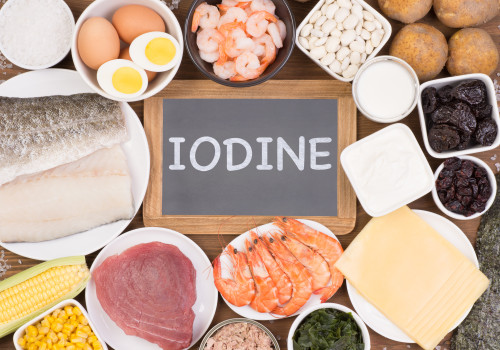
Natural dietary sources of iodine are abundant in certain foods, particularly those from the sea.Here are some of the most significant sources:
- Seafood: Fish and shellfish are among the richest sources of iodine. Varieties such as cod, shrimp, and seaweed (especially kelp) contain high levels of this nutrient.
- Dairy Products: Milk, yogurt, and cheese are also good sources of iodine, largely due to the iodine-rich feed given to dairy cows.
- Eggs: Eggs provide a moderate amount of iodine, primarily found in the yolk.
- Iodized Salt: Many countries fortify table salt with iodine to help prevent deficiencies in the population. This is a simple way to increase iodine intake in everyday cooking.
Dietary Considerations
For most individuals, a balanced diet that includes these natural sources can provide sufficient iodine. However, certain populations may struggle to meet their iodine needs through food alone.For instance:
- Pregnant and Breastfeeding Women: Increased iodine requirements during pregnancy and lactation make it essential for these women to monitor their intake closely.
- Vegetarians and Vegans: Those who do not consume animal products may find it challenging to obtain adequate iodine from plant-based sources alone.
- Individuals with Dietary Restrictions: People with specific dietary restrictions or allergies may also need to consider supplementation if they cannot access iodine-rich foods.
Supplements vs. Food Sources
Iodine supplements can be beneficial for those at risk of deficiency or who have increased needs. However, it is essential to approach supplementation with caution:- Consultation with Healthcare Professionals: Before starting any supplement regimen, individuals should consult with a healthcare provider to determine their specific needs and avoid excessive intake.
- Potential Risks of Over-Supplementation: While supplements can help achieve adequate levels, excessive iodine intake can lead to thyroid dysfunction and other health issues.
Who Should Be Cautious with Iodine Supplements?
While iodine is essential for various bodily functions, certain groups of individuals should exercise caution when considering iodine supplements.Understanding who may be at risk of excessive iodine intake is crucial for maintaining optimal health.
- Pregnant Women: During pregnancy, the demand for iodine increases to support fetal development. However, excessive iodine can lead to thyroid dysfunction in both the mother and the baby. Pregnant women should consult their healthcare provider before taking any supplements to ensure they meet their iodine needs without exceeding safe levels.
-
Individuals with Thyroid Disorders: Those with pre-existing thyroid conditions, such as hyperthyroidism or Hashimoto's thyroiditis, should be particularly cautious. Excessive iodine can exacerbate these conditions, leading to complications such as goiter or thyroid storm.
Regular monitoring and consultation with an endocrinologist are recommended for these individuals.
- People on Certain Medications: Some medications can interact negatively with iodine supplements. For instance, lithium, commonly used to treat bipolar disorder, can affect thyroid function when combined with high levels of iodine. Additionally, amiodarone, a medication for heart rhythm disorders, contains a significant amount of iodine and can lead to thyroid dysfunction if taken alongside iodine supplements.
- Individuals with Autoimmune Conditions: Those with autoimmune diseases may also need to be cautious. Excessive iodine intake can trigger or worsen autoimmune responses in susceptible individuals, potentially leading to further health complications.
-
Children and Adolescents: Young individuals are particularly sensitive to changes in iodine levels.
While adequate iodine is crucial for growth and cognitive development, excessive intake can lead to thyroid issues. Parents should monitor their children's iodine consumption from both dietary sources and supplements.
Monitoring Iodine Levels: When to Seek Help?
Monitoring your iodine levels is essential for maintaining optimal health, especially if you are considering taking iodine supplements or have dietary concerns. Understanding when to seek medical advice can help prevent potential health issues related to both deficiency and excess iodine intake.How to Monitor Iodine Levels
-
Dietary Assessment: Start by evaluating your diet.
Foods rich in iodine include seafood, dairy products, eggs, and iodized salt. Keeping a food diary can help you track your iodine intake over time.
- Symptom Awareness: Be aware of symptoms that may indicate an iodine imbalance. For instance, fatigue, weight changes, and mood swings can be signs of thyroid dysfunction related to iodine levels.
- Urinary Iodine Testing: One of the most common methods for assessing iodine status is through urinary iodine concentration tests. Since about 90% of dietary iodine is excreted in urine, this test can provide a snapshot of your iodine intake over the past few days.
-
Blood Tests: In some cases, healthcare providers may recommend blood tests to measure thyroid hormone levels (such as TSH, T3, and T4) and assess overall thyroid function.
These tests can help determine if your iodine levels are affecting your thyroid health.
When to See a Doctor
If you suspect that you have an iodine deficiency or excess, it is crucial to consult a healthcare professional. Here are some signs that indicate the need for medical advice:
- Persistent Symptoms: If you experience ongoing symptoms such as unexplained weight gain or loss, fatigue, or changes in mood that do not improve with lifestyle changes, it may be time to seek help.
- Thyroid Issues: If you have a history of thyroid problems or notice swelling in your neck (goiter), consult a doctor for further evaluation.
- Changes During Pregnancy: Pregnant or breastfeeding women should be particularly vigilant about their iodine levels due to the increased demand for this nutrient. If you have concerns about your intake during this time, speak with your healthcare provider.
- After Starting Supplements: If you begin taking iodine supplements and notice any adverse effects or unusual symptoms, it’s important to discuss these with a healthcare professional.
Frequently Asked Questions about Iodine Intake
When it comes to iodine intake, many people have questions and misconceptions that can lead to confusion.Here, we address some of the most frequently asked questions about iodine supplements and their effects on health.
What is the recommended daily intake of iodine?
The recommended daily allowance (RDA) for iodine varies by age and life stage. For most adults, the RDA is 150 micrograms per day. Pregnant women require more, at about 220 micrograms , while breastfeeding mothers need around 290 micrograms. It's essential to meet these requirements to support thyroid function and overall health.Can I get enough iodine from my diet?
Yes, many people can obtain sufficient iodine through a balanced diet.Foods rich in iodine include:
- Seafood (especially fish and seaweed)
- Dairy products
- Iodized salt
- Eggs
- Certain grains and vegetables, depending on soil content
Are there any myths about iodine supplements?
Several myths surround iodine supplementation:- Myth: More iodine is always better.
- Fact: Excessive iodine can lead to thyroid dysfunction, including hyperthyroidism or hypothyroidism.
- Myth: Iodine supplements are safe for everyone.
- Fact: Individuals with certain health conditions, such as autoimmune thyroid disease, should consult a healthcare provider before taking supplements.
What are the symptoms of iodine deficiency?
Iodine deficiency can lead to several health issues, including:- Goiter (enlarged thyroid gland)
- Fatigue and weakness
- Cognitive impairments
- Weight gain or difficulty losing weight
Conclusion: Balancing Iodine Intake for Optimal Health
In summary, understanding the benefits and risks associated with iodine intake is crucial for maintaining optimal health. Iodine plays a vital role in various bodily functions, particularly in the production of thyroid hormones, which are essential for metabolism, growth, and development. However, as we have discussed, both insufficient and excessive iodine levels can lead to significant health issues. While iodine supplements can provide benefits, especially for individuals at risk of deficiency, it is imperative to approach supplementation with caution. The recommended daily allowance for adults is approximately 150 micrograms, and exceeding this amount can lead to adverse effects such as goiter and thyroid dysfunction.Therefore, it is essential to monitor iodine intake from all sources, including diet and supplements. Moreover, certain populations may require special attention regarding their iodine intake. Pregnant and breastfeeding women, for instance, have increased iodine needs to support fetal and infant development. However, they must also be cautious not to exceed safe limits. Consulting with healthcare professionals can help tailor iodine intake to individual needs while avoiding potential risks. In conclusion, achieving a balance in iodine consumption is key to harnessing its benefits while minimizing risks.
Regularly assessing dietary sources of iodine and being mindful of supplement use can help maintain this balance. If you are considering taking iodine supplements or have concerns about your iodine levels, it is always advisable to seek guidance from a qualified healthcare provider.
Top Articles
The Power of Iodine Pills: Comprehensive Benefits and Uses
Discover the comprehensive benefits of iodine pills, including thyroid support, cognitive enhancement, and protection against radiation exposure.

Understanding the Essential Role of Iodine in Our Health and the Benefits of Iodine Supplements
Discover the vital role of iodine in health, its benefits, and the importance of iodine supplements for optimal well-being.
Understanding the Risks of Excessive Iodine Intake: A Comprehensive Guide
Discover the dangers of excessive iodine intake and learn how to balance iodine supplementation for optimal health.

The Power of Iodine: Unlocking Energy and Enhancing Health with Iodine Supplements
Discover the benefits of iodine supplements for boosting energy, improving thyroid function, and enhancing overall health.