Understanding the Risks of Excessive Iodine Intake: A Comprehensive Guide
Discover the dangers of excessive iodine intake and learn how to balance iodine supplementation for optimal health.

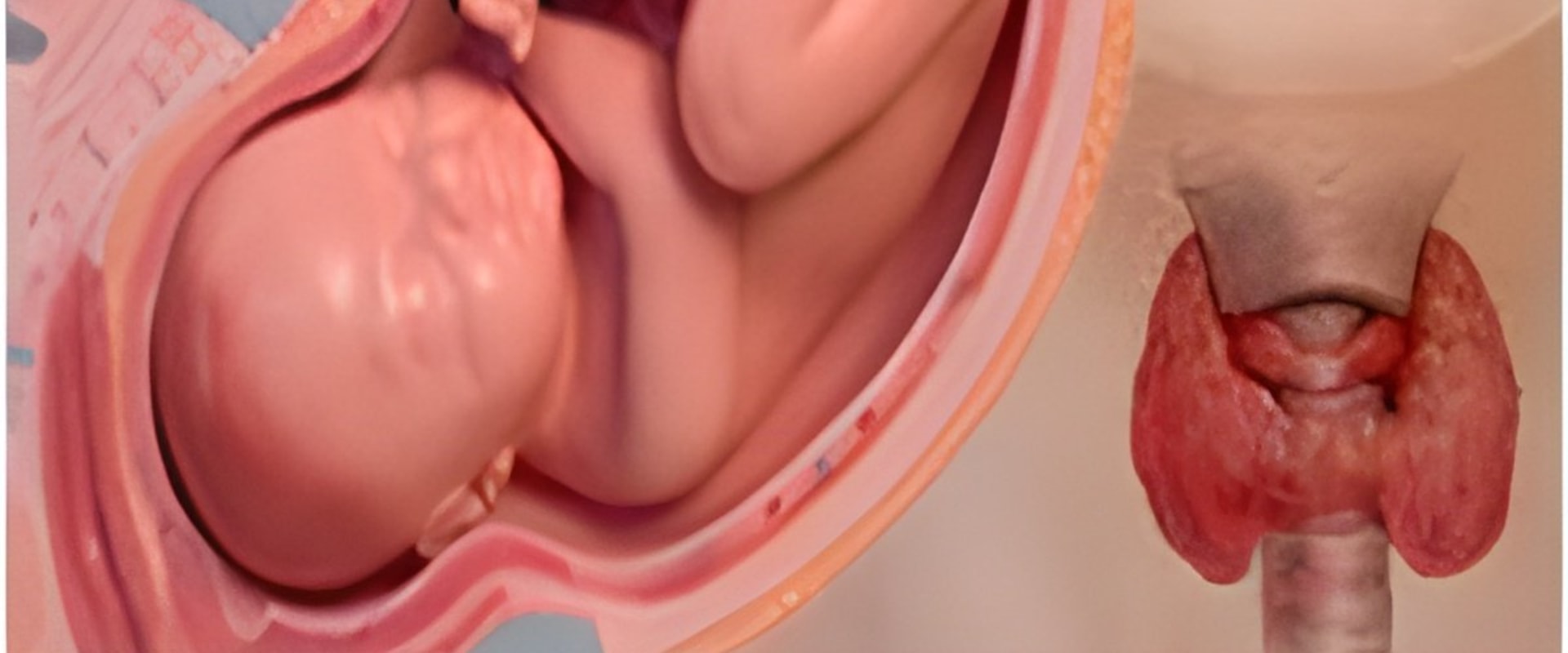
Iodine is a trace mineral that plays a pivotal role in maintaining optimal health, particularly in the functioning of the thyroid gland. This small but mighty nutrient is essential for the synthesis of thyroid hormones, which regulate various metabolic processes in the body, including growth, development, and energy production. Without adequate iodine, the body cannot produce enough of these hormones, leading to a range of health issues such as goiter, hypothyroidism, and developmental delays in children. The significance of iodine extends beyond thyroid health; it is also crucial for cognitive function and overall well-being. Studies have shown that sufficient iodine levels are linked to improved mental performance and reduced risk of cognitive impairments.
This is particularly important during pregnancy and early childhood when proper brain development is critical. Therefore, ensuring an adequate intake of iodine is vital for both mothers and their developing children. While many people associate iodine primarily with thyroid function, its benefits do not stop there. Iodine also supports immune system function and has been shown to possess antioxidant properties that help protect cells from oxidative stress. Furthermore, iodine can aid in detoxification processes by helping to eliminate heavy metals and other toxins from the body.
Given these numerous benefits, it’s no wonder that iodine supplements have gained popularity among those looking to enhance their health. However, as with any nutrient, balance is key. While iodine supplementation can provide significant health benefits, excessive intake can lead to adverse effects. Understanding the importance of iodine and its role in health sets the stage for a deeper exploration of the potential dangers associated with excessive iodine consumption.
What Are Iodine Supplements?
Iodine supplements are products designed to provide the body with an adequate amount of iodine, a vital mineral that supports various physiological functions, particularly thyroid health. These supplements are especially important in regions where dietary iodine is insufficient, leading to potential deficiencies. There are several types of iodine supplements available on the market, each catering to different needs and preferences:- Potassium Iodide: This is one of the most common forms of iodine supplement.
It is often used in emergency situations, such as nuclear accidents, to prevent radioactive iodine from being absorbed by the thyroid gland.
- Sodium Iodide: Similar to potassium iodide, sodium iodide is another form that can be used for supplementation. It is often found in prescription medications for thyroid conditions.
- Seaweed Extracts: Natural sources of iodine, such as kelp and other seaweeds, are popular among those seeking a more organic approach. These extracts not only provide iodine but also come with additional nutrients found in sea vegetables.
- Iodine Tinctures: These are liquid forms of iodine that can be applied topically or ingested. They are often used for their antiseptic properties but can also serve as a source of dietary iodine.
Some key advantages include:
- Thyroid Function Support: Iodine is essential for the production of thyroid hormones, which regulate metabolism, energy levels, and overall hormonal balance.
- Prevention of Goiter: Adequate iodine intake helps prevent goiter, an enlargement of the thyroid gland that can occur due to deficiency.
- Enhanced Cognitive Function: Some studies suggest that sufficient iodine levels may contribute to improved cognitive abilities and overall brain health.
- Support During Pregnancy: Pregnant women require higher levels of iodine for fetal development, making supplementation crucial during this period.
The Benefits of Iodine Supplements
Iodine is a vital trace element that plays a significant role in maintaining various bodily functions, particularly in the regulation of thyroid health. Adequate iodine intake through supplements can offer numerous health benefits , especially for individuals who may not get enough iodine from their diet. One of the primary benefits of iodine supplements is their positive impact on thyroid function. The thyroid gland requires iodine to produce essential hormones such as thyroxine (T4) and triiodothyronine (T3).These hormones are crucial for regulating metabolism, energy levels, and overall growth and development. A deficiency in iodine can lead to conditions such as hypothyroidism, characterized by fatigue, weight gain, and depression. By ensuring adequate iodine intake, individuals can support their thyroid health and prevent these adverse effects. Moreover, iodine supplements can enhance metabolism regulation. The thyroid hormones produced with sufficient iodine levels help control how the body uses energy.
This regulation is vital for maintaining a healthy weight and supporting metabolic processes. For those struggling with weight management or metabolic disorders, incorporating iodine supplements may provide the necessary support to optimize metabolic function. In addition to thyroid health and metabolism, iodine is also linked to improved cognitive function. Research indicates that adequate iodine levels are essential for brain development, particularly during pregnancy and early childhood. Insufficient iodine during these critical periods can lead to cognitive impairments and developmental delays.
Therefore, ensuring proper iodine intake through supplements can be particularly beneficial for pregnant women and young children. Furthermore, iodine has been shown to possess antioxidant properties that may help protect the body from oxidative stress. This protection is crucial for overall health and can contribute to reducing the risk of chronic diseases. In summary, while it is essential to be cautious about excessive iodine intake, the benefits of adequate iodine supplementation are clear. From supporting thyroid health and regulating metabolism to enhancing cognitive function and providing antioxidant protection, iodine plays a multifaceted role in maintaining optimal health. Individuals considering iodine supplements should consult with a healthcare professional to determine the appropriate dosage based on their specific needs.
Understanding Iodine Requirements
Understanding the appropriate levels of iodine intake is crucial for maintaining optimal health.Iodine is a vital nutrient that supports thyroid function, which in turn regulates metabolism, growth, and development. The recommended daily intake of iodine varies based on age, gender, and life stage.
Recommended Daily Intake
- Infants (0-12 months): 110-130 micrograms (mcg)
- Children (1-8 years): 90 mcg
- Children (9-13 years): 120 mcg
- Adolescents (14-18 years): 150 mcg
- Adults: 150 mcg
- Pregnant women: 220 mcg
- Lactating women: 290 mcg
Iodine Deficiency Symptoms
A deficiency in iodine can lead to several health issues, particularly affecting the thyroid gland. Common symptoms of iodine deficiency include:
- Goiter: An enlargement of the thyroid gland, which can cause swelling in the neck.
- Hypothyroidism: Symptoms may include fatigue, weight gain, cold intolerance, and depression.
- Cognitive impairments: In severe cases, iodine deficiency during pregnancy can lead to developmental delays in children.
- Dry skin and hair loss: These can be signs of an underactive thyroid due to insufficient iodine.
- Increased cholesterol levels: Low iodine can affect metabolism and lead to higher cholesterol levels.
Regular monitoring of dietary intake and awareness of symptoms associated with deficiency can help individuals ensure they are meeting their iodine needs without exceeding safe limits.
The Dangers of Excessive Iodine Intake
While iodine is vital for maintaining optimal health, particularly for thyroid function, excessive intake can lead to a variety of serious health issues. Understanding the risks associated with excessive iodine intake is crucial for anyone considering iodine supplements or those who consume iodine-rich foods regularly. One of the most significant dangers of consuming too much iodine is the development of hyperthyroidism. This condition occurs when the thyroid gland becomes overactive, producing an excess of thyroid hormones. Symptoms may include:- Increased heart rate
- Weight loss despite normal or increased appetite
- Nervousness and anxiety
- Tremors in the hands or fingers
- Heat intolerance and excessive sweating
- Menstrual changes in women
It is essential to monitor iodine intake, especially for individuals with pre-existing thyroid conditions. Another potential risk associated with high iodine consumption is the development of autoimmune thyroid disease. In some cases, excessive iodine can trigger autoimmune responses, leading to conditions such as Hashimoto's thyroiditis or Graves' disease. These disorders can cause:
- Inflammation of the thyroid gland
- Fatigue and weakness
- Goiter (enlargement of the thyroid)
- Severe mood swings and depression
- Iodine-induced hypothyroidism: Paradoxically, too much iodine can also cause the thyroid to underperform in some individuals.
- Gastrointestinal disturbances: High doses of iodine may result in nausea, vomiting, and diarrhea.
- Skin reactions: Some people may experience rashes or other allergic reactions due to high iodine levels.
Signs and Symptoms of Iodine Overload
Recognizing the signs and symptoms of iodine overload is crucial for maintaining optimal health.While iodine is essential for various bodily functions, excessive intake can lead to a range of health issues. Here are some common symptoms that may indicate an overload of iodine in the body:
- Thyroid Dysfunction: One of the most significant effects of too much iodine is on thyroid function. Symptoms may include hyperthyroidism, which can manifest as weight loss, increased heart rate, and anxiety.
- Gastrointestinal Disturbances: Overconsumption of iodine can lead to digestive issues such as nausea, vomiting, and diarrhea. These symptoms often arise as the body attempts to expel the excess iodine.
- Skin Reactions: Some individuals may experience skin irritations or rashes when they consume too much iodine.
This can include redness, itching, or even hives.
- Metallic Taste: A less common but notable symptom is a persistent metallic taste in the mouth, which can be quite unpleasant and may indicate an imbalance in iodine levels.
- Fatigue and Weakness: Excessive iodine can lead to feelings of fatigue and general weakness, as the body struggles to cope with the overload.
- Goiter Formation: Paradoxically, while iodine is necessary for thyroid hormone production, too much can cause the thyroid gland to enlarge, leading to a goiter.
- Autoimmune Thyroiditis: High levels of iodine may trigger autoimmune responses in some individuals, leading to conditions such as Hashimoto's thyroiditis.
- Cardiovascular Issues: An overload of iodine can also affect heart health, potentially leading to arrhythmias or other cardiovascular problems.
How to Avoid Excessive Iodine Intake
Managing iodine intake is crucial for maintaining optimal health while avoiding the risks associated with excessive consumption. Here are some practical tips to help you monitor and control your iodine levels effectively:- Understand Recommended Daily Allowances: Familiarize yourself with the recommended daily intake of iodine, which varies by age, sex, and life stage. For most adults, the recommended daily allowance (RDA) is about 150 micrograms.
Pregnant and breastfeeding women require higher amounts, around 220 to 290 micrograms respectively.
- Read Labels Carefully: When purchasing iodine supplements or iodized salt, always check the labels for iodine content. This will help you keep track of how much iodine you are consuming from these sources.
- Limit High-Iodine Foods: Certain foods are naturally high in iodine, such as seaweed, fish, dairy products, and eggs. While these foods can be beneficial in moderation, excessive consumption can lead to an overload. Be mindful of your intake of these items, especially if you are also taking supplements.
- Consult Healthcare Professionals: Before starting any new supplement regimen, including iodine supplements, consult with a healthcare provider.
They can provide personalized advice based on your health history and dietary needs.
- Monitor Symptoms: Be aware of any symptoms that may indicate excessive iodine intake, such as thyroid dysfunction, gastrointestinal issues, or skin reactions. If you experience any unusual symptoms after increasing your iodine intake, seek medical advice promptly.
- Consider Dietary Sources: Instead of relying solely on supplements for your iodine needs, focus on a balanced diet that includes a variety of foods. This approach not only helps in managing iodine levels but also ensures you receive other essential nutrients.
Conclusion: Balancing Iodine Intake for Optimal Health
In conclusion, while iodine is undeniably vital for our health, particularly in supporting thyroid function and metabolic processes, it is crucial to recognize the potential dangers associated with excessive iodine intake.Throughout this article, we have explored the various benefits of iodine supplements, such as their role in preventing goiter and supporting cognitive function. However, these benefits come with a caveat: too much iodine can lead to serious health complications. It is essential to maintain a balanced approach to iodine consumption. The recommended daily allowance (RDA) for iodine varies by age and life stage, but for most adults, it is around 150 micrograms per day. Pregnant and breastfeeding women require higher amounts to support fetal and infant development.
Therefore, understanding your individual needs is paramount. To avoid the risks associated with excessive iodine intake, consider the following:
- Consult a healthcare professional: Before starting any iodine supplement regimen, it is wise to consult with a healthcare provider who can assess your specific needs and recommend appropriate dosages.
- Monitor dietary sources: Be aware of the iodine content in your diet. Foods such as seaweed, dairy products, and iodized salt are common sources of iodine. Keeping track of these can help you avoid unintentional overconsumption.
- Be cautious with supplements: If you are considering taking iodine supplements for their benefits, ensure that you choose high-quality products and adhere strictly to the recommended dosages.
- Stay informed: Keep up-to-date with research on iodine and its effects on health. Understanding the latest findings can help you make informed decisions about your iodine intake.
While iodine supplement benefits are significant, they must be weighed against the potential risks of excessive intake. By being mindful of your iodine consumption and seeking professional guidance when necessary, you can harness the benefits of this essential mineral while safeguarding your health.
Top Articles
The Essential Role of Iodine Supplements in Supporting Thyroid Health
Discover the essential role of iodine supplements in supporting thyroid health and overall well-being. Learn about benefits, risks, and dietary sources.

Exploring the Benefits and Risks of Iodine Supplementation
Discover the essential benefits and potential risks of iodine supplementation for thyroid health, metabolism, and cognitive function.

The Essential Role of Iodine in Thyroid Health: Understanding Iodine Supplement Benefits
Discover the vital role of iodine in thyroid health and the benefits of iodine supplements for optimal well-being.
The Hidden Dangers of Iodine Supplements: Understanding Their Impact on Fatigue
Discover the hidden dangers of iodine supplements and their impact on fatigue. Learn about benefits, risks, and the importance of balanced intake.