The Essential Role of Iodine in Our Bodies: Understanding Iodine Supplement Benefits
Discover the essential role of iodine in our bodies and the benefits of iodine supplements for thyroid health, metabolism, and cognitive function.


Iodine is a trace element that plays a pivotal role in maintaining optimal health, yet it often goes unnoticed in discussions about essential nutrients. This mineral is crucial for the synthesis of thyroid hormones, which are vital for regulating metabolism, growth, and development. Without adequate iodine, the body struggles to produce these hormones, leading to a range of health issues, including fatigue, weight gain, and cognitive impairments. Understanding the importance of iodine is essential for anyone looking to enhance their overall well-being. The significance of iodine extends beyond just thyroid function; it is also integral to proper brain development during pregnancy and early childhood.
Pregnant women require sufficient iodine to support the developing fetus, as deficiencies can lead to serious complications such as cretinism and developmental delays. Furthermore, iodine's role in cognitive function cannot be overstated; studies have shown that adequate iodine levels are associated with improved IQ scores in children. This highlights the necessity of ensuring that both expectant mothers and growing children receive enough of this vital nutrient. In today's fast-paced world, many individuals may not be aware of their iodine intake or the potential benefits of iodine supplementation. While iodine deficiency is relatively rare in developed countries due to iodized salt and fortified foods, certain populations remain at risk.
For instance, vegetarians and those who avoid dairy products may not get enough iodine from their diets alone. This is where iodine supplements come into play, offering a convenient way to ensure adequate intake and support overall health. As we delve deeper into the myriad benefits of iodine supplements, it becomes clear that this often-overlooked mineral deserves more attention. From enhancing metabolic function to supporting cognitive health and fetal development, the advantages of maintaining optimal iodine levels are profound. In the following sections, we will explore these benefits in greater detail and discuss how to incorporate sufficient iodine into your diet.
What is Iodine?
Iodine
is a trace element that is essential for human health, playing a pivotal role in various physiological processes.
It is a chemical element with the symbol I and atomic number 53, classified as a halogen in the periodic table. Iodine is unique due to its ability to exist in both solid and gaseous states at room temperature, and it has a distinct dark purple color when in solid form. This element is crucial for the synthesis of thyroid hormones, which regulate metabolism, growth, and development. The primary function of iodine in the body revolves around its role in the production of two key hormones: thyroxine (T4) and triiodothyronine (T3). These hormones are vital for maintaining metabolic processes and ensuring proper functioning of various organs.
A deficiency in iodine can lead to serious health issues, including goiter, hypothyroidism, and developmental delays in children.
Natural Sources of Iodine
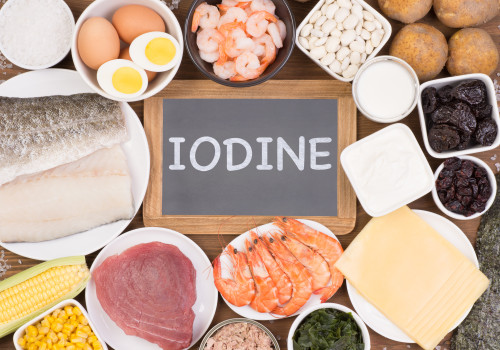
Iodine is not produced by the human body; therefore, it must be obtained through dietary sources or supplements. Here are some of the most common sources of iodine:- Seafood: Fish and shellfish are among the richest sources of iodine. Varieties such as cod, shrimp, and seaweed are particularly high in this essential mineral.
- Dairy Products: Milk, yogurt, and cheese contain significant amounts of iodine, making them excellent dietary options for those looking to increase their intake.
- Eggs: Eggs are another good source of iodine, especially the yolk.
- Iodized Salt: One of the most common ways to ensure adequate iodine intake is through iodized salt, which has been fortified with iodine to help prevent deficiencies.
- Fruits and Vegetables: The iodine content in fruits and vegetables can vary depending on the soil in which they are grown. However, some produce like potatoes and cranberries can provide small amounts of iodine.
These supplements come in various forms, including tablets and liquid drops, allowing for easy incorporation into daily routines. In summary, understanding what iodine is and recognizing its natural sources is crucial for maintaining optimal health. Ensuring adequate intake through diet or supplementation can help prevent deficiencies and support overall well-being.
The Role of Iodine in Thyroid Function
Iodine plays a pivotal role in the production of thyroid hormones, which are essential for regulating various metabolic processes in the body. The thyroid gland, located in the front of the neck, utilizes iodine to synthesize two primary hormones: thyroxine (T4) and triiodothyronine (T3). These hormones are crucial for maintaining metabolic rate, heart function, digestive health, and even brain development. When iodine levels are insufficient, the thyroid cannot produce adequate amounts of these hormones, leading to a condition known as hypothyroidism.This disorder can manifest through a variety of symptoms, including fatigue, weight gain, sensitivity to cold, and depression. In severe cases, iodine deficiency can result in an enlarged thyroid gland, commonly referred to as a goiter. This enlargement occurs as the gland attempts to compensate for the lack of iodine by increasing its size in an effort to capture more iodine from the bloodstream. Research indicates that even mild iodine deficiency can have significant effects on thyroid function. A study published in the Journal of Clinical Endocrinology & Metabolism found that individuals with low iodine intake had a higher prevalence of subclinical hypothyroidism.
This condition is characterized by elevated thyroid-stimulating hormone (TSH) levels while T3 and T4 levels remain within normal ranges. Over time, if left unaddressed, subclinical hypothyroidism can progress to overt hypothyroidism. To prevent these issues, it is essential to ensure adequate iodine intake through diet or supplementation. Foods rich in iodine include:
- Seaweed
- Fish and shellfish
- Dairy products
- Iodized salt
- Eggs
By understanding the relationship between iodine and thyroid hormones, individuals can take proactive steps to prevent deficiencies and associated health issues.
Health Benefits of Iodine Supplements
Iodine supplementation offers a multitude of health benefits that can significantly enhance overall well-being. One of the primary advantages of adequate iodine intake is its role in supporting metabolism. Iodine is essential for the production of thyroid hormones, which regulate metabolic processes in the body. When iodine levels are sufficient, the thyroid gland can produce adequate amounts of thyroxine (T4) and triiodothyronine (T3), hormones that help control how the body uses energy.This regulation can lead to improved energy levels and weight management. Moreover, iodine plays a crucial role in cognitive function. Research indicates that iodine deficiency during pregnancy and early childhood can lead to developmental delays and cognitive impairments. By ensuring adequate iodine intake through supplements, individuals can support brain health and cognitive development, particularly in vulnerable populations such as pregnant women and young children. Studies have shown that children with sufficient iodine levels tend to perform better academically and exhibit improved memory and learning capabilities. In addition to metabolism and cognitive function, iodine supplementation has been linked to enhanced immune system function.
Iodine possesses antimicrobial properties that can help the body fend off infections. It has been used in various antiseptic applications, demonstrating its effectiveness in reducing bacterial load and preventing infections during medical procedures. Furthermore, iodine is vital for maintaining healthy skin. It helps regulate oil production and can assist in treating conditions like acne by promoting proper skin function. The mineral also supports the body's detoxification processes, aiding in the elimination of harmful substances. In summary, the benefits of iodine supplements extend beyond thyroid health to encompass metabolic regulation, cognitive enhancement, immune support, and skin health.
For those at risk of deficiency or seeking to optimize their health, incorporating iodine supplements into their daily routine may be a beneficial strategy.
Iodine Deficiency: Causes and Symptoms
Iodine deficiency is a significant global health issue that affects millions of people, particularly in regions where iodine-rich foods are scarce. Understanding the causes and symptoms of iodine deficiency is crucial for prevention and treatment.Causes of Iodine Deficiency
- Dietary Insufficiency: The primary cause of iodine deficiency is inadequate dietary intake. Many people do not consume enough iodine-rich foods, such as seafood, dairy products, and iodized salt.
- Geographical Factors: Certain areas, especially inland regions and mountainous regions, have low natural iodine levels in the soil and water. This leads to lower iodine content in locally grown foods.
- Increased Demand: Pregnant and breastfeeding women have higher iodine requirements.
If their diet does not meet these needs, they are at risk of deficiency.
- Goitrogens: Some foods contain substances called goitrogens that can interfere with iodine absorption. While these foods can be part of a healthy diet, excessive consumption without adequate iodine can lead to deficiency.
Prevalence of Iodine Deficiency
Globally, iodine deficiency remains a public health concern, particularly in developing countries. According to the World Health Organization (WHO), approximately 2 billion people are at risk of iodine deficiency disorders. In the United States, however, the situation has improved significantly due to the widespread use of iodized salt.
Despite this progress, certain populations, such as pregnant women and those following restrictive diets, may still experience low iodine levels.
Symptoms of Iodine Deficiency
The symptoms of iodine deficiency can vary depending on the severity and duration of the deficiency. Common symptoms include:
- Goiter: An enlarged thyroid gland is one of the most visible signs of iodine deficiency. It occurs as the thyroid tries to compensate for low hormone production.
- Fatigue: Low levels of thyroid hormones can lead to feelings of tiredness and lethargy.
- Weight Gain: A slowed metabolism due to insufficient thyroid hormones can result in unexplained weight gain.
- Cognitive Impairments: In severe cases, especially during pregnancy or early childhood, iodine deficiency can lead to developmental delays and cognitive impairments in children.
Who Needs Iodine Supplements?
Understanding who may benefit from iodine supplements is crucial for maintaining optimal health, especially since iodine deficiency can lead to serious health issues. Certain populations are at a higher risk of not getting enough iodine through their diet and may require supplementation to meet their needs.Pregnant Women:
One of the most critical groups that need adequate iodine is pregnant women.
During pregnancy, the demand for iodine increases significantly to support the developing fetus. Iodine is essential for the production of thyroid hormones, which play a vital role in fetal brain development and overall growth. Insufficient iodine during this period can lead to complications such as cretinism, intellectual disabilities, and developmental delays in children. Health experts recommend that pregnant women consume at least 220 micrograms of iodine daily, often achieved through prenatal vitamins that include iodine.
Infants and Young Children:
Infants are particularly vulnerable to iodine deficiency, especially if they are breastfed by mothers who have low iodine levels.
Breast milk is a primary source of nutrition for infants, and if the mother’s diet lacks sufficient iodine, the baby may not receive adequate amounts. It is essential for infants to have enough iodine for proper brain development and growth. Pediatricians often recommend monitoring iodine levels in breastfeeding mothers and considering supplementation if necessary.
Individuals with Certain Health Conditions:
Some individuals may also require iodine supplements due to specific health conditions. For example, those with thyroid disorders such as Hashimoto's thyroiditis or those who have undergone thyroid surgery may have altered iodine needs.
Additionally, people following strict vegetarian or vegan diets might not get enough iodine from plant-based sources alone, as many plant foods contain goitrogens that can inhibit iodine absorption. In these cases, healthcare providers may suggest iodine supplementation to prevent deficiency.
Geographic Considerations:
It's also important to consider geographic factors when assessing iodine needs. In regions where soil and water are low in iodine—often referred to as "iodine-deficient areas"—the population is at a higher risk of deficiency. Individuals living in these areas should be particularly vigilant about their iodine intake and may benefit from supplements or iodized salt.
In summary, pregnant women, infants, individuals with certain health conditions, and those living in iodine-deficient regions are key groups that may need iodine supplements.
Ensuring adequate intake of this essential nutrient is vital for maintaining overall health and preventing deficiency-related complications.
How to Choose an Iodine Supplement
Choosing the right iodine supplement can be a crucial step in ensuring you meet your body's iodine needs, especially if you suspect a deficiency or are looking to support thyroid health. Here are some key factors to consider when selecting an iodine supplement:- Form of Iodine: Iodine supplements come in various forms, including potassium iodide, sodium iodide, and molecular iodine. Potassium iodide is commonly used for its stability and effectiveness. Consider which form suits your needs best.
- Dosage: The recommended daily allowance (RDA) for iodine varies by age and life stage.
For most adults, the RDA is about 150 micrograms per day. Pregnant and breastfeeding women require higher amounts, around 220 to 290 micrograms daily. Always check the label for dosage information and consult with a healthcare provider to determine the appropriate amount for your specific situation.
- Quality and Purity: Look for supplements that are third-party tested for quality and purity. This ensures that what’s on the label matches what’s in the bottle.
Brands that adhere to Good Manufacturing Practices (GMP) are often more reliable.
- Additives: Some iodine supplements may contain additional ingredients such as fillers, binders, or artificial colors. If you have allergies or sensitivities, it’s essential to read the ingredient list carefully.
- Source of Iodine: Some supplements derive their iodine from natural sources like seaweed, while others use synthetic forms. If you prefer a natural option, look for products that specify their source.
By taking these factors into account, you can make an informed decision that supports your overall health and well-being.
Potential Risks and Side Effects of Iodine Supplements
While iodine is essential for maintaining optimal health, particularly for thyroid function, it is crucial to be aware of the potential risks and side effects associated with excessive iodine intake through supplements. Understanding these risks can help individuals make informed decisions about their iodine supplementation.Excessive Iodine Intake
Consuming too much iodine can lead to a condition known as iodine-induced hyperthyroidism, where the thyroid gland becomes overactive. This can result in symptoms such as:
- Increased heart rate
- Weight loss
- Nervousness or anxiety
- Heat intolerance
- Increased sweating
Side Effects of Iodine Supplements
Individuals taking iodine supplements may experience various side effects, particularly if they exceed the recommended dosage. Common side effects include:
- Nausea and vomiting
- Diarrhea
- Abdominal pain
- Metallic taste in the mouth
- Skin rashes or irritation
Safe Levels of Iodine Intake
The recommended dietary allowance (RDA) for iodine varies by age and life stage.
For most adults, the RDA is approximately 150 micrograms per day. Pregnant and breastfeeding women require higher amounts—around 220-290 micrograms per day. It is essential to stay within these guidelines to avoid the adverse effects associated with both deficiency and excess. Before starting any iodine supplementation, especially if you have pre-existing health conditions or are taking medications that affect thyroid function, it is crucial to consult with a healthcare provider. They can help determine your individual needs and ensure that you are taking a safe and effective dose of iodine.
<strong>FAQs about Iodine Supplements</strong>
As iodine supplements gain popularity, many individuals have questions and concerns regarding their use.Below are some frequently asked questions that can help clarify common misconceptions and provide valuable insights into iodine supplementation.
What are the benefits of taking iodine supplements?
Iodine supplements are primarily known for their role in supporting thyroid health. They help ensure adequate production of thyroid hormones, which are essential for regulating metabolism, energy levels, and overall bodily functions. Additionally, iodine is crucial during pregnancy and breastfeeding, as it supports fetal brain development and helps prevent cognitive impairments in infants.How much iodine do I need daily?
The recommended daily intake of iodine varies by age and life stage. For most adults, the adequate intake is about 150 micrograms per day.Pregnant women require more, approximately 220 micrograms, while breastfeeding mothers need around 290 micrograms. It's important to consult with a healthcare provider to determine the right dosage for your specific needs.
Can I get enough iodine from my diet?
Many people can obtain sufficient iodine through a balanced diet that includes iodized salt, dairy products, seafood, and certain grains. However, those who follow strict vegetarian or vegan diets may be at risk of deficiency and might benefit from supplementation. Regular monitoring of iodine levels can help ensure you are meeting your nutritional needs.Are there any side effects associated with iodine supplements?
While iodine is essential for health, excessive intake can lead to adverse effects such as thyroid dysfunction or hyperthyroidism.Symptoms may include weight loss, increased heart rate, and anxiety. It is crucial to adhere to recommended dosages and consult a healthcare professional before starting any supplement regimen.
Who should consider taking iodine supplements?
Iodine supplementation may be beneficial for individuals at risk of deficiency, including pregnant women, those living in areas with low iodine levels in the soil, and individuals with certain medical conditions affecting thyroid function. Always seek advice from a healthcare provider to assess your specific situation. By addressing these common questions about iodine supplements, individuals can make informed decisions regarding their health and nutritional needs.<strong>Conclusion: The Vital Role of Iodine in Health</strong>
In summary, iodine is an indispensable mineral that plays a crucial role in maintaining overall health. Its primary function in the body is to support the production of thyroid hormones, which are essential for regulating metabolism, growth, and development.Without adequate iodine intake, individuals may face serious health issues, including hypothyroidism and developmental problems in children. The benefits of iodine supplements cannot be overstated, especially for those at risk of deficiency. Pregnant and breastfeeding women, in particular, require higher amounts of iodine to ensure proper fetal development and to support their own health. A deficiency during these critical periods can lead to severe consequences, including cognitive impairments and growth delays in infants. Moreover, iodine's role extends beyond thyroid health. It has been shown to possess antiseptic properties, making it effective in preventing infections during medical procedures.
This dual functionality highlights the importance of maintaining adequate iodine levels not just for metabolic health but also for overall well-being. To ensure sufficient iodine intake, individuals should consider incorporating iodine-rich foods into their diets, such as:
- Seaweed
- Fish and shellfish
- Dairy products
- Eggs
- Iodized salt
Top Articles
Understanding the Risks of Excessive Iodine Intake: A Comprehensive Guide
Discover the dangers of excessive iodine intake and learn how to balance iodine supplementation for optimal health.

The Truth About Iodine Intake: An Expert's Perspective on Iodine Supplement Benefits
Discover the essential benefits of iodine supplements for thyroid health, pregnancy, and overall well-being. Learn more about safe intake.

Understanding the Essential Role of Iodine in Our Health and the Benefits of Iodine Supplements
Discover the vital role of iodine in health, its benefits, and the importance of iodine supplements for optimal well-being.
The Importance of Iodine: Signs and Symptoms of Deficiency
Learn about the signs and symptoms of iodine deficiency from an expert in nutrition. Find out how this essential mineral affects our bodies and what you can do to ensure you're getting enough.