Understanding Iodine Supplement Benefits: How Long Should You Take Iodine Supplements?
Discover the benefits of iodine supplements, how long to take them, and recommended dosages for optimal health and thyroid function.


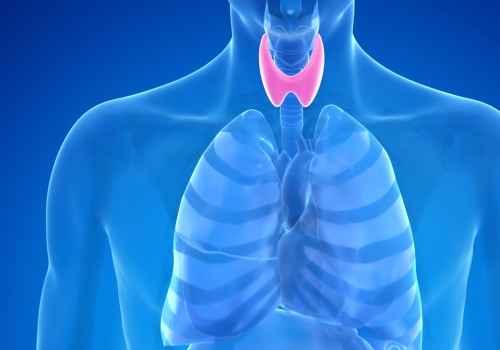
Iodine is an essential trace element that plays a critical role in maintaining overall health, particularly in the proper functioning of the thyroid gland. This small but mighty nutrient is vital for the synthesis of thyroid hormones, which regulate numerous bodily functions, including metabolism, growth, and development. Without adequate iodine, the body cannot produce sufficient amounts of these hormones, leading to a range of health issues. Understanding the importance of iodine is crucial for anyone looking to optimize their health and well-being. The benefits of iodine extend beyond just thyroid health.
It is also instrumental in supporting cognitive function, immune response, and even skin health. For instance, iodine deficiency has been linked to developmental delays in children and can adversely affect cognitive abilities. In adults, insufficient iodine levels can lead to fatigue, weight gain, and mood disturbances. Therefore, ensuring an adequate intake of this nutrient is essential for both physical and mental well-being. Unfortunately, iodine deficiency remains a global health concern, affecting millions of people worldwide.
Factors such as dietary habits, geographical location, and certain medical conditions can contribute to inadequate iodine levels. For example, individuals living in areas with low soil iodine content or those following restrictive diets may be at higher risk for deficiency. The consequences of not addressing this deficiency can be severe, leading to conditions such as goiter and hypothyroidism. As we delve deeper into the topic of iodine supplementation, it becomes clear that understanding its significance is the first step toward making informed decisions about our health. By recognizing the importance of iodine and its myriad benefits, we can better appreciate the role that supplementation may play in correcting deficiencies and promoting optimal health.
What Are Iodine Supplements?
Iodine supplements are dietary products designed to provide the body with an essential mineral that plays a crucial role in various physiological functions.Iodine is vital for the production of thyroid hormones, which regulate metabolism, growth, and development. When dietary intake of iodine is insufficient, supplements can help bridge the gap and prevent deficiency-related health issues. There are several types of iodine supplements available on the market, each with its unique formulation and benefits:
- Potassium Iodide: This is one of the most common forms of iodine supplements. It is often used in emergency situations, such as nuclear accidents, to block radioactive iodine from being absorbed by the thyroid gland.
- Sodium Iodide: Similar to potassium iodide, sodium iodide is another form that can be used for supplementation. It is typically administered in a clinical setting and can be beneficial for individuals with specific medical conditions.
- Iodine Tinctures: These are liquid solutions that contain iodine and are often used topically for antiseptic purposes.
While not a traditional supplement, they can provide iodine through skin absorption.
- Seaweed Extracts: Natural sources of iodine, such as kelp and other seaweeds, are also available in supplement form. These extracts not only provide iodine but also come with additional nutrients found in marine plants.
These hormones are critical for regulating metabolic processes, including energy production and temperature regulation. Moreover, adequate iodine levels support cognitive function and overall health. Insufficient iodine can lead to conditions such as goiter (enlargement of the thyroid gland), hypothyroidism (underactive thyroid), and developmental issues in children. Therefore, incorporating iodine supplements into your diet can be a proactive measure to ensure optimal health, especially for those at risk of deficiency.
Benefits of Iodine Supplements
Iodine is an essential trace element that plays a crucial role in maintaining various bodily functions, particularly in the synthesis of thyroid hormones. The health benefits of iodine supplementation are numerous, making it a vital addition to the diets of those who may be deficient in this nutrient. One of the primary benefits of iodine supplements is their positive impact on thyroid health.The thyroid gland requires iodine to produce hormones such as thyroxine (T4) and triiodothyronine (T3), which regulate metabolism, energy levels, and overall growth and development. A deficiency in iodine can lead to conditions such as hypothyroidism, characterized by fatigue, weight gain, and sensitivity to cold. By ensuring adequate iodine intake through supplements, individuals can support their thyroid function and prevent these adverse effects. Moreover, iodine is essential for cognitive function. Research has shown that adequate iodine levels are linked to improved cognitive abilities and better school performance in children.
Iodine deficiency during pregnancy can adversely affect fetal brain development, leading to long-term cognitive impairments. Therefore, pregnant women and nursing mothers are often advised to take iodine supplements to ensure both their health and that of their developing child. In addition to thyroid and cognitive health, iodine also contributes to overall well-being. It has been associated with enhanced immune function, helping the body fend off infections and diseases. Furthermore, iodine plays a role in detoxification processes by aiding the removal of heavy metals from the body. For those considering iodine supplementation, it is essential to consult with a healthcare provider to determine the appropriate dosage based on individual needs.
While iodine is vital for health, excessive intake can lead to adverse effects such as hyperthyroidism or thyroiditis. Therefore, understanding the right balance is key to reaping the full iodine supplement benefits. In summary, incorporating iodine supplements into your diet can provide significant health benefits, particularly for thyroid function and cognitive development. By addressing potential deficiencies through supplementation, individuals can enhance their overall health and well-being.
How Long Should You Take Iodine Supplements?
Determining the appropriate duration for taking iodine supplements is crucial for maximizing their benefits while minimizing potential risks. The length of time one should take these supplements can vary significantly based on individual health needs, dietary intake, and specific health conditions.Individual Health Needs
- Iodine Deficiency: If you are diagnosed with iodine deficiency, your healthcare provider may recommend a course of iodine supplements for a specific period, often ranging from a few weeks to several months.
Regular monitoring of iodine levels and thyroid function is essential during this time.
- Thyroid Disorders: Individuals with thyroid disorders, such as hypothyroidism or goiter, may require longer-term supplementation. The duration will depend on the severity of the condition and how well the body responds to treatment.
Dietary Intake
Your diet plays a significant role in determining how long you should take iodine supplements. If you are consuming foods rich in iodine, such as seafood, dairy products, and iodized salt, you may not need to supplement for an extended period. Conversely, if your diet lacks these sources, longer supplementation may be necessary.
General Recommendations
For most individuals, a daily intake of 0.5 mg or less is considered safe and unlikely to cause harm.
However, it is essential to consult with a healthcare professional to tailor the duration and dosage to your specific needs. In cases of mild deficiency, improvements may be observed within 24 weeks, but this can vary based on individual circumstances.
Monitoring and Adjustments
Regular follow-ups with your healthcare provider are vital during iodine supplementation. They can assess your progress through blood tests and adjust your supplementation plan accordingly. This ensures that you receive the right amount of iodine without exceeding safe limits.
In summary, the duration for taking iodine supplements should be personalized based on health status, dietary habits, and ongoing monitoring by a healthcare professional.
Always prioritize safety and efficacy when considering supplementation.
Recommended Dosage of Iodine Supplements
Understanding the appropriate dosage of iodine supplements is crucial for maintaining optimal health while avoiding potential toxicity. The recommended daily intake of iodine varies based on age, sex, and specific health conditions. Below is a detailed breakdown of the iodine dosage recommendations for different demographics.- Infants (0-12 months): The adequate intake (AI) for infants is set at 110-130 micrograms (mcg) per day. This amount supports proper thyroid function and development during the early stages of life.
- Children (1-8 years): For young children, the recommended daily allowance (RDA) is 90 mcg.
As children grow, their iodine needs increase slightly to support their developing bodies.
- Children (9-13 years): The RDA for this age group rises to 120 mcg per day, reflecting their increased metabolic demands.
- Adolescents and Adults (14 years and older): Both males and females require about 150 mcg of iodine daily. This amount is essential for maintaining healthy thyroid hormone production.
- Pregnant Women: During pregnancy, the iodine requirement increases significantly to 220 mcg per day to support fetal development and prevent deficiencies that could affect the baby’s growth.
- Lactating Women: Nursing mothers should aim for an intake of 290 mcg daily to ensure that their breast milk contains sufficient iodine for their infants.
Foods such as iodized salt, seafood, dairy products, and certain grains can contribute significantly to daily iodine consumption. Therefore, individuals taking supplements should monitor their overall dietary intake to avoid exceeding safe limits. If you are considering iodine supplementation, it is advisable to consult with a healthcare professional who can provide personalized recommendations based on your specific health needs and dietary habits. This approach ensures that you receive the benefits of iodine without risking your health due to excessive intake.
Signs of Iodine Deficiency and When to Supplement
Iodine is an essential trace element that plays a critical role in the production of thyroid hormones, which are vital for regulating metabolism, growth, and development. A deficiency in iodine can lead to a range of health issues, and recognizing the signs of iodine deficiency is crucial for timely intervention.Common Symptoms of Iodine Deficiency
- Goiter: One of the most visible signs of iodine deficiency is the enlargement of the thyroid gland, known as a goiter.
This occurs as the gland attempts to compensate for low hormone production.
- Fatigue: Individuals may experience persistent fatigue or a general lack of energy due to disrupted metabolism.
- Weight Gain: An underactive thyroid can lead to weight gain or difficulty losing weight, as metabolism slows down.
- Cold Intolerance: People with iodine deficiency often feel unusually cold, as their bodies struggle to regulate temperature without adequate thyroid hormones.
- Dry Skin and Hair: Insufficient iodine can result in dry skin and hair, as well as hair loss.
- Cognitive Issues: Iodine deficiency has been linked to cognitive impairments, including difficulties with concentration and memory.
When to Consider Iodine Supplementation
If you notice any of the symptoms mentioned above, it may be time to consider iodine supplementation. However, it is essential to consult with a healthcare professional before starting any supplement regimen. Here are some specific scenarios where supplementation might be necessary:
- Pregnancy and Breastfeeding: Pregnant and breastfeeding women have increased iodine needs to support fetal and infant development. If dietary intake is insufficient, supplementation may be recommended.
- Vegetarian or Vegan Diets: Individuals following strict vegetarian or vegan diets may not get enough iodine from plant-based sources alone.
In such cases, supplements can help meet daily requirements.
- Geographic Location: People living in areas with low iodine levels in the soil and water may be at higher risk for deficiency and should consider supplementation.
Potential Risks and Side Effects of Iodine Supplements
While iodine supplements can offer significant health benefits, particularly for those with iodine deficiency, it is crucial to be aware of the potential risks and side effects associated with their use. Understanding these risks can help individuals make informed decisions about their supplementation.Common Side Effects
- Gastrointestinal Distress: Some individuals may experience nausea, diarrhea, or stomach cramps after taking iodine supplements. These symptoms can often be mitigated by taking the supplement with food.
- Allergic Reactions: Although rare, some people may develop an allergic reaction to iodine, which can manifest as skin rashes, itching, or swelling.
If any of these symptoms occur, it is essential to discontinue use and consult a healthcare professional.
- Thyroid Dysfunction: Excessive iodine intake can lead to thyroid dysfunction, including hyperthyroidism or hypothyroidism. This is particularly concerning for individuals with pre-existing thyroid conditions.
Who Should Avoid Iodine Supplements?
Certain groups of people should exercise caution or avoid iodine supplements altogether:
- Individuals with Thyroid Disorders: Those with conditions such as Graves' disease or Hashimoto's thyroiditis should consult their healthcare provider before starting any iodine supplementation.
- Pregnant and Nursing Women: While iodine is essential during pregnancy and breastfeeding, excessive amounts can be harmful. It is vital for these individuals to seek medical advice regarding appropriate dosages.
- People with Allergies to Iodine: Anyone who has a known allergy to iodine or shellfish should avoid iodine supplements due to the risk of severe allergic reactions.
The Importance of Moderation
Moderation is key when it comes to iodine supplementation. The recommended daily allowance (RDA) for adults is 150 micrograms, but this can vary based on age, sex, and life stage.
Taking more than the recommended amount can lead to toxicity and adverse health effects. Therefore, it is advisable to monitor intake closely and consult a healthcare professional before starting any new supplement regimen. In conclusion, while iodine supplements can provide essential benefits for those in need, awareness of potential side effects and risks is crucial. By understanding who should avoid these supplements and the importance of moderation, individuals can better navigate their health choices regarding iodine supplementation.
Dietary Sources of Iodine: A Natural Alternative
When considering how to meet your iodine needs, it’s essential to recognize that many natural dietary sources can provide sufficient amounts of this vital nutrient. Iodine is crucial for the production of thyroid hormones, which regulate metabolism, growth, and development.By incorporating iodine-rich foods into your diet, you can often achieve optimal levels without the need for supplements. Here are some of the most effective natural sources of iodine :
- Seaweed: One of the richest sources of iodine, seaweed varieties such as kelp, nori, and dulse can contain anywhere from 16 to 2,984 micrograms of iodine per gram. Incorporating seaweed into your meals can significantly boost your iodine intake.
- Fish and Shellfish: Seafood is another excellent source. Fish like cod, tuna, and shrimp are not only delicious but also provide a substantial amount of iodine. For instance, a 3-ounce serving of cod can offer about 99 micrograms of iodine.
- Dairy Products: Milk, yogurt, and cheese are good sources of iodine.
A cup of milk typically contains around 56 micrograms of iodine. This makes dairy an easy way to incorporate iodine into your daily diet.
- Eggs: Eggs are not only a versatile food but also a source of iodine. One large egg contains approximately 24 micrograms of iodine, making it a simple addition to breakfast or other meals.
- Iodized Salt: While not a food per se, iodized salt is a common dietary source of iodine. Using iodized salt in cooking can help ensure you meet your daily requirements.
A varied diet rich in fruits, vegetables, whole grains, and lean proteins will not only support your iodine intake but also contribute to overall health. For those who may be concerned about their iodine levels or who have dietary restrictions that limit their intake of these foods, it’s advisable to consult with a healthcare professional. They can provide personalized recommendations based on individual health needs and dietary preferences. Ultimately, while iodine supplements can be beneficial in certain situations—especially for individuals with diagnosed deficiencies—focusing on natural dietary sources is often the best approach for maintaining adequate iodine levels in a safe and balanced manner.
Frequently Asked Questions About Iodine Supplements
When considering iodine supplements, many individuals have questions and concerns. Here, we address some of the most frequently asked questions to help clarify common misconceptions and provide valuable insights.What are the benefits of taking iodine supplements?
Iodine supplements can play a crucial role in maintaining optimal thyroid function, which is essential for regulating metabolism, energy levels, and overall health. Some of the key iodine supplement benefits include:- Prevention of Iodine Deficiency: Iodine is vital for the production of thyroid hormones.
A deficiency can lead to conditions such as goiter and hypothyroidism.
- Support for Cognitive Function: Adequate iodine levels are linked to improved cognitive abilities, particularly in children.
- Enhanced Immune Function: Iodine has antimicrobial properties that can help support the immune system.
How much iodine should I take?
The recommended daily allowance (RDA) for iodine varies by age and life stage. For most adults, the RDA is about 150 micrograms per day. However, pregnant and breastfeeding women require higher amounts—220 and 290 micrograms, respectively. It’s essential to consult with a healthcare provider before starting any supplement regimen to determine the appropriate dosage based on individual needs.Are there any side effects associated with iodine supplements?
While iodine is generally safe when taken in appropriate amounts, excessive intake can lead to side effects such as:- Nausea
- Diarrhea
- Thyroid dysfunction
Can I get enough iodine from my diet?
Many people can meet their iodine needs through a balanced diet that includes iodized salt, dairy products, seafood, and certain grains.However, those with dietary restrictions or living in areas with low iodine levels may need to consider supplementation.
What are some common myths about iodine supplements?
- Myth 1: All sea salt contains sufficient iodine. This is false; only iodized salt has added iodine.
- Myth 2: More iodine is always better. This is misleading; excessive iodine can be harmful.
- Myth 3: Iodine supplements are only necessary for those with thyroid issues. This is incorrect; even healthy individuals may benefit from adequate iodine intake.
Conclusion: Making Informed Decisions About Iodine Supplementation
In conclusion, understanding the benefits of iodine supplements and how long to take them is crucial for maintaining optimal health.Iodine plays a vital role in thyroid function, metabolism, and overall well-being. However, the decision to supplement should not be taken lightly. As discussed, the duration of iodine supplementation can vary significantly based on individual needs, existing deficiencies, and overall health conditions. For those with mild iodine deficiency, noticeable improvements may be observed within a few weeks to several months. It is essential to monitor your progress and consult with a healthcare professional to determine the appropriate duration and dosage tailored to your specific situation. Moreover, while iodine supplementation can offer numerous health benefits, it is equally important to be aware of the potential risks associated with excessive intake.
Over-supplementation can lead to adverse effects such as thyroid dysfunction or other health complications. Therefore, adhering to recommended dosages—typically around 0.5 mg per day for most adults—is advisable unless otherwise directed by a healthcare provider. In addition to supplementation, incorporating iodine-rich foods into your diet can help maintain adequate levels naturally. Foods such as seaweed, fish, dairy products, and iodized salt are excellent sources of iodine that can complement your supplementation efforts. Ultimately, making informed decisions about iodine supplementation involves a careful assessment of your dietary intake, health status, and potential deficiencies. Regular check-ups and blood tests can provide valuable insights into your iodine levels and thyroid function.
By taking these proactive steps, you can ensure that you are supporting your health effectively while minimizing any risks associated with iodine supplementation. In summary, prioritize your health by staying informed about the benefits of iodine supplements, understanding your individual needs, and consulting with healthcare professionals when necessary. This approach will empower you to make the best choices for your well-being.
Top Articles
The Importance of Iodine: Signs and Symptoms of Deficiency
Learn about the signs and symptoms of iodine deficiency from an expert in nutrition. Find out how this essential mineral affects our bodies and what you can do to ensure you're getting enough.

Understanding the Impact of Iodine Deficiency on Thyroid Health and the Benefits of Iodine Supplements
Explore the impact of iodine deficiency on thyroid health and discover the benefits of iodine supplements for overall well-being.

The Essential Role of Iodine in Health: Understanding Iodine Supplement Benefits
Discover the benefits of iodine supplements for thyroid function, cognitive health, and overall well-being. Learn about iodine deficiency and sources.

The Essential Role of Iodine in Thyroid Health: Understanding Iodine Supplement Benefits
Discover the vital role of iodine in thyroid health and the benefits of iodine supplements for optimal well-being.