The Truth About Iodine: Who Should Avoid It and the Benefits of Iodine Supplements
Discover the benefits of iodine supplements and learn who should avoid them for optimal health. Essential insights for thyroid health and pregnancy.


Iodine is a trace element that plays a pivotal role in maintaining our overall health, particularly in the functioning of the thyroid gland. This small but mighty mineral is essential for the synthesis of thyroid hormones, which are crucial for regulating metabolism, growth, and development. Without adequate iodine, our bodies cannot produce enough of these hormones, leading to a range of health issues. The significance of iodine extends beyond just thyroid health; it also influences cognitive function, immune response, and even skin health.
Understanding the benefits of iodine is vital for anyone looking to optimize their well-being. In many parts of the world, iodine deficiency remains a pressing public health concern. This is particularly true in regions where the soil is low in iodine or where iodized salt is not commonly used. The consequences of insufficient iodine intake can be severe, leading to conditions such as goiter and hypothyroidism. On the other hand, while iodine is essential for health, it is important to recognize that not everyone should increase their iodine intake indiscriminately.
Certain populations may need to limit their iodine consumption due to specific health conditions or dietary restrictions. As we delve deeper into the topic of iodine, it becomes clear that its role in health is multifaceted. From supporting metabolic processes to enhancing cognitive abilities, the benefits of iodine are numerous. However, this mineral's impact can vary significantly among individuals based on their unique health profiles and dietary habits. Therefore, it is crucial to approach iodine supplementation with caution and awareness.
The Benefits of Iodine Supplements
Iodine supplements offer a range of health benefits that are crucial for maintaining optimal bodily functions, particularly in relation to the thyroid gland.The thyroid gland, located in the neck, is responsible for producing hormones that regulate metabolism, energy levels, and overall growth and development. Here are some key benefits associated with iodine supplementation:
- Thyroid Hormone Production: Iodine is a vital component in the synthesis of thyroid hormones, specifically thyroxine (T4) and triiodothyronine (T3). These hormones play a significant role in regulating metabolic processes. Adequate iodine intake ensures that the thyroid can produce sufficient amounts of these hormones, which is essential for maintaining a healthy metabolism.
- Metabolism Regulation: By supporting thyroid hormone production, iodine helps regulate metabolism.
A well-functioning metabolism is crucial for energy production and weight management. Individuals with adequate iodine levels often experience improved energy levels and better weight control.
- Cognitive Function: Emerging research suggests that iodine may also play a role in cognitive health. Iodine deficiency has been linked to developmental delays and cognitive impairments, particularly in children. Ensuring adequate iodine intake through supplements can support brain health and cognitive function across all age groups.
- Immune System Support: Iodine possesses antimicrobial properties that can help bolster the immune system.
By supporting immune function, iodine may aid the body in fighting off infections and diseases.
- Hormonal Balance: Beyond thyroid hormones, iodine may influence other hormonal balances within the body. This can be particularly beneficial for women during menstruation or pregnancy when hormonal fluctuations are common.
Who Should Avoid Iodine?
While iodine is essential for many bodily functions, certain individuals should exercise caution or completely avoid iodine-rich foods and supplements.Understanding who should avoid iodine can help prevent potential health complications.
Individuals with Thyroid Disorders
People diagnosed with thyroid disorders, such as hypothyroidism or hyperthyroidism , should be particularly cautious about their iodine intake. For those with hypothyroidism, excessive iodine can exacerbate their condition, leading to further hormonal imbalances. Conversely, individuals with hyperthyroidism may experience worsened symptoms due to increased thyroid hormone production triggered by high iodine levels. Endocrinologists often advise these patients to limit their iodine consumption to maintain stable thyroid function.Pregnant and Nursing Women
Pregnant women require adequate iodine for fetal development, but they must also be wary of excessive intake.High levels of iodine during pregnancy can lead to complications such as fetal goiters or thyroid dysfunction in the newborn. Nursing mothers should also be cautious, as excessive iodine can affect breast milk composition and potentially harm the infant's thyroid health. It is crucial for these women to consult healthcare providers to determine the appropriate amount of iodine needed during this critical period.
Individuals on a Low-Iodine Diet
Those preparing for certain medical procedures, such as radioactive iodine therapy or specific imaging tests, may be placed on a low-iodine diet. This diet restricts foods high in iodine, including iodized salt, seafood, and dairy products.Adhering to this dietary restriction is essential for ensuring the effectiveness of the treatment and minimizing potential complications.
People with Allergies or Sensitivities
Some individuals may have allergies or sensitivities to iodine or iodinated compounds. These reactions can range from mild skin irritations to severe anaphylactic responses. If someone has a known allergy to shellfish (which often contains high levels of iodine), they should be cautious about consuming iodine supplements or foods rich in this mineral. In summary, while iodine plays a vital role in maintaining health, certain groups—such as those with thyroid disorders, pregnant and nursing women, individuals on low-iodine diets, and those with allergies—should avoid excessive intake. Consulting a healthcare professional is always recommended before making significant dietary changes or starting new supplements.Thyroid Conditions and Iodine Intake
Individuals with thyroid conditions, such as hypothyroidism and hyperthyroidism , must be particularly cautious about their iodine intake.Iodine is a critical nutrient for the synthesis of thyroid hormones, but an imbalance can lead to significant health issues. Understanding how to manage iodine consumption is essential for those affected by these conditions.
Hypothyroidism
, characterized by an underactive thyroid gland, results in insufficient production of thyroid hormones. This condition can lead to symptoms such as fatigue, weight gain, and sensitivity to cold. For individuals with hypothyroidism, excessive iodine intake can exacerbate their symptoms and potentially lead to further complications.
Research indicates that high levels of iodine may trigger or worsen autoimmune thyroiditis, a common cause of hypothyroidism. Conversely, hyperthyroidism involves an overactive thyroid that produces too much hormone, leading to symptoms like weight loss, rapid heartbeat, and anxiety. In this case, increased iodine intake can stimulate the thyroid gland further, worsening the condition. For those diagnosed with hyperthyroidism, it is crucial to limit iodine-rich foods and supplements. Here are some guidelines for managing iodine intake based on thyroid conditions:
- Consult a Healthcare Professional: Always seek advice from an endocrinologist or healthcare provider before making dietary changes or starting supplements.
- Avoid Iodine-Rich Foods: Individuals with hypothyroidism should limit their consumption of foods high in iodine, such as seaweed, iodized salt, and certain seafood.
- Monitor Supplement Use: Be cautious with multivitamins or dietary supplements that contain iodine. It’s essential to read labels carefully.
- Regular Monitoring: Regular blood tests can help monitor thyroid hormone levels and ensure that iodine intake is appropriate for your specific condition.
Tailoring dietary choices and consulting healthcare professionals can help manage these conditions effectively and maintain overall health.
Pregnancy and Iodine: A Delicate Balance
Iodine plays a pivotal role in the healthy development of a fetus, making it an essential nutrient during pregnancy. This mineral is crucial for the production of thyroid hormones, which are vital for the growth and development of the baby's brain and nervous system. Insufficient iodine levels in pregnant women can lead to serious complications, including cognitive impairments and developmental delays in the child. According to the World Health Organization (WHO), pregnant women require about 220 micrograms of iodine daily to support both their health and that of their developing baby. However, achieving this balance can be tricky, as both deficiency and excess can pose risks.The Risks of Iodine Deficiency
A lack of iodine during pregnancy can lead to a condition known as cretinism , characterized by severe physical and mental developmental issues.Additionally, iodine deficiency can result in goiter formation in both the mother and child, as the thyroid gland struggles to produce adequate hormones. Pregnant women who are deficient may experience symptoms such as fatigue, weight gain, and even depression.
The Dangers of Excess Iodine Intake
While iodine is essential, it is equally important to avoid excessive intake. High levels of iodine can lead to hyperthyroidism or thyroid dysfunction in both the mother and fetus. Pregnant women should be cautious about consuming large amounts of iodine-rich foods, such as seaweed or certain supplements that may contain high concentrations of this mineral. Research indicates that excessive iodine intake during pregnancy can increase the risk of fetal goiters, which can complicate delivery and lead to further health issues for the newborn.Therefore, it is crucial for expectant mothers to monitor their iodine intake carefully.
Sources of Iodine
To ensure adequate but not excessive iodine levels, pregnant women should focus on balanced dietary sources. Foods rich in iodine include:- Seafood (especially fish)
- Dairy products (milk, yogurt)
- Iodized salt
- Eggs
- Certain grains and legumes
Regular check-ups with healthcare providers can help ensure that both mother and baby remain healthy throughout the pregnancy.
Low-Iodine Diets: When Are They Necessary?
A low-iodine diet is a specialized eating plan that restricts the intake of iodine-rich foods. This diet is often recommended for individuals preparing for certain medical treatments, particularly those involving the thyroid gland, such as radioactive iodine therapy or thyroid surgery. The goal of a low-iodine diet is to minimize the amount of iodine in the body, allowing for more effective treatment outcomes.Reasons for a Low-Iodine Diet
- Thyroid Cancer Treatment: Patients diagnosed with thyroid cancer may be advised to follow a low-iodine diet before undergoing radioactive iodine treatment. This helps to ensure that the thyroid cells absorb the radioactive iodine more effectively, enhancing the treatment's efficacy.
- Thyroid Surgery Preparation: Individuals scheduled for thyroid surgery may also be placed on a low-iodine diet to reduce the risk of complications during and after the procedure.
- Hyperthyroidism Management: For some patients with hyperthyroidism, a low-iodine diet can help manage symptoms and stabilize hormone levels prior to other treatments.
Foods to Avoid on a Low-Iodine Diet
When following a low-iodine diet, it is crucial to avoid foods that are high in iodine.
Here are some common categories and specific items to steer clear of:
- Seafood: Fish, shellfish, and seaweed are among the richest sources of iodine and should be completely eliminated.
- Dairy Products: Milk, cheese, yogurt, and other dairy items contain significant amounts of iodine and should be avoided.
- Iodized Salt: Regular table salt often contains added iodine. Instead, use non-iodized salt or herbs and spices for flavoring.
- Processed Foods: Many processed foods contain iodized salt or ingredients derived from seafood or dairy. Always check labels carefully.
- Eggs: Eggs are another source of iodine that should be excluded from a low-iodine diet.
The Impact of Cassava on Thyroid Health
Cassava, a starchy root vegetable widely consumed in various parts of the world, particularly in Africa and South America, poses specific risks for individuals with thyroid conditions.While it serves as a staple food for many, its potential toxicity can significantly impact thyroid health, especially for those already facing challenges with their thyroid function. One of the primary concerns regarding cassava is its content of cyanogenic glycosides , which can release cyanide when the cassava is improperly prepared or consumed in large quantities. This compound can interfere with the body’s ability to utilize iodine effectively, which is crucial for thyroid hormone production. For individuals with existing thyroid issues, such as hypothyroidism or goiter, the consumption of cassava can exacerbate their condition by further inhibiting thyroid function. Moreover, cassava has been linked to the development of goitrogens , substances that can disrupt normal thyroid function. Goitrogens inhibit the synthesis of thyroid hormones by blocking the uptake of iodine in the thyroid gland.
This effect can be particularly detrimental for those who are already iodine-deficient or have compromised thyroid health. For individuals with thyroid disorders, it is essential to be aware of foods that may negatively affect their condition. Here are some key points to consider:
- Preparation Matters: Properly processing cassava through soaking, cooking, and fermenting can reduce its cyanogenic content and make it safer for consumption.
- Moderation is Key: If you have a thyroid condition, it may be wise to limit your intake of cassava and consult with a healthcare professional regarding safe consumption levels.
- Alternative Sources: Consider incorporating other carbohydrate sources that do not pose risks to thyroid health, such as sweet potatoes or quinoa.
Consulting Healthcare Professionals About Iodine Intake
When it comes to managing your health, particularly regarding iodine intake, consulting with a healthcare professional is crucial. Iodine is an essential nutrient, but its effects can vary significantly based on individual health conditions, dietary habits, and geographical factors.Therefore, before making any changes to your diet or starting an iodine supplement, it is wise to seek advice from a qualified healthcare provider.
Understanding Safe Iodine Levels
Healthcare professionals can help determine the appropriate levels of iodine for you. The recommended daily allowance (RDA) for iodine varies by age, sex, and life stage. For instance:
- Adults: 150 micrograms
- Pregnant women: 220 micrograms
- Nursing mothers: 290 micrograms
Consulting Your Doctor About Iodine Supplements
If you are considering taking an iodine supplement, it is essential to discuss this with your doctor.
They can provide insights into:
- Your specific health needs and conditions
- Potential interactions with other medications or supplements
- The best form of iodine supplement for your situation
Monitoring Your Health
Regular check-ups with your healthcare provider are also important for monitoring your iodine levels and thyroid function over time. This is especially true for individuals with pre-existing thyroid conditions or those who are pregnant. By maintaining open communication with your healthcare team, you can ensure that your iodine intake remains within safe limits and supports your health effectively. In conclusion, while iodine is vital for health, its intake should be carefully managed.
Consulting with healthcare professionals not only helps in understanding safe iodine levels but also ensures that any dietary changes or supplements are appropriate for your unique health profile.
Conclusion: Navigating Iodine Intake Safely
In summary, iodine is a vital nutrient that plays a significant role in maintaining optimal health, particularly in supporting thyroid function. However, the benefits of iodine supplements are not universal, and certain populations must exercise caution when considering their intake. As discussed, individuals with existing thyroid conditions, such as hypothyroidism or hyperthyroidism , should avoid excessive iodine consumption. For these individuals, increased iodine levels can exacerbate their conditions and lead to serious health complications. It is crucial for those with thyroid issues to consult healthcare professionals before making any dietary changes or starting supplements. Pregnant women also face unique challenges regarding iodine intake.While adequate iodine is essential for fetal development, particularly for brain health, too much iodine can pose risks such as fetal goiters. Therefore, pregnant women should aim for a balanced intake and seek guidance from their healthcare providers to ensure both their health and that of their developing baby. Moreover, individuals adhering to a low-iodine diet , often necessary for specific medical treatments or procedures, must be vigilant about avoiding high-iodine foods and supplements. This includes common sources like iodized salt, seafood, and dairy products. A well-planned low-iodine diet can help manage health conditions effectively without compromising overall well-being. Lastly, it’s important to recognize that while iodine is essential for many, it is not a one-size-fits-all solution.
Each person's nutritional needs are unique, influenced by factors such as age, health status, and lifestyle. Therefore, informed decision-making regarding iodine intake is paramount. In conclusion, understanding the benefits of iodine supplements alongside the potential risks for specific groups empowers individuals to make educated choices about their health. Always consult with a healthcare professional before introducing new supplements into your routine to ensure safety and efficacy.
Top Articles
The Essential Role of Iodine in Our Bodies: Understanding Iodine Supplement Benefits
Discover the essential role of iodine in our bodies and the benefits of iodine supplements for thyroid health, metabolism, and cognitive function.
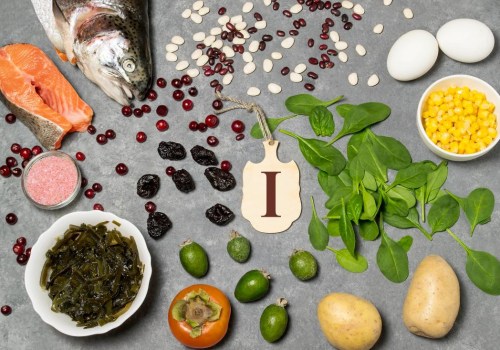
The Truth About Iodine Intake: An Expert's Perspective on Iodine Supplement Benefits
Discover the essential benefits of iodine supplements for thyroid health, pregnancy, and overall well-being. Learn more about safe intake.
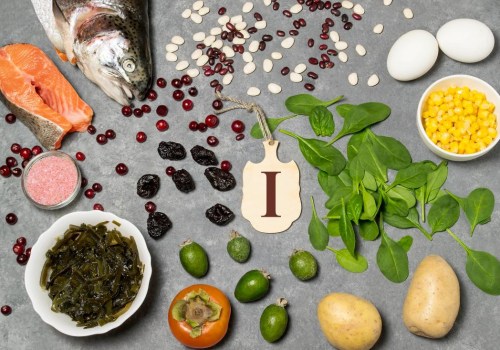
The Importance of Iodine for Thyroid Function
Learn about the crucial role of iodine in maintaining proper thyroid function and how inadequate intake can lead to health issues.

The Truth About Taking Iodine Pills Every Day: Exploring Iodine Supplement Benefits
Discover the benefits and risks of taking iodine pills daily. Learn how iodine supplements can support thyroid health and overall well-being.