The Comprehensive Guide to Iodine Supplement Benefits and Their Impact on Health
Discover the health benefits of iodine supplements, their impact on thyroid function, cognitive development, and more in this comprehensive guide.


Iodine is a trace element that plays a pivotal role in maintaining optimal health. As an essential mineral , it is crucial for the production of thyroid hormones, which regulate various metabolic processes in the body. These hormones, primarily thyroxine (T4) and triiodothyronine (T3), are vital for growth, development, and overall metabolic function. Without adequate iodine, the body cannot produce sufficient amounts of these hormones, leading to a range of health issues. The importance of iodine extends beyond just thyroid function.
It is also integral to cognitive development, particularly during pregnancy and early childhood. Insufficient iodine levels during these critical periods can result in developmental delays and cognitive impairments. This highlights the necessity of ensuring that both expectant mothers and young children receive adequate iodine to support healthy brain development. Moreover, iodine contributes to the body's ability to maintain energy levels and regulate body temperature. It aids in the metabolism of fats and carbohydrates, ensuring that the body efficiently utilizes energy sources.
Additionally, iodine has been linked to immune system support, helping the body fend off infections and maintain overall health. In many regions around the world, iodine deficiency remains a significant public health concern. Factors such as soil depletion, dietary habits, and geographical location can influence iodine availability in food sources. As a result, understanding the health benefits of iodine and recognizing its essential role in our diet is crucial for preventing deficiency-related health issues.
The Role of Iodine in Thyroid Function
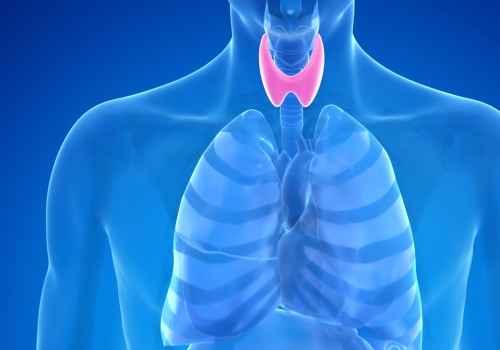
Iodine plays a crucial role in maintaining optimal thyroid function , as it is a key component in the synthesis of thyroid hormones. The thyroid gland, located in the neck, produces hormones such as thyroxine (T4) and triiodothyronine (T3), which are essential for regulating metabolism, growth, and development.Without adequate iodine intake, the body cannot produce these hormones effectively, leading to a range of health issues. When iodine levels are insufficient, the thyroid gland may enlarge in an attempt to capture more iodine from the bloodstream, resulting in a condition known as goiter. This enlargement can cause discomfort and visible swelling in the neck area. However, the implications of iodine deficiency extend beyond just goiter; it can lead to more severe conditions such as hypothyroidism .
Consequences of Iodine Deficiency
Hypothyroidism occurs when the thyroid does not produce enough hormones, leading to a slowdown in metabolic processes. The symptoms of hypothyroidism can be quite varied and may include:- Fatigue: A common complaint among those with low thyroid hormone levels.
- Weight Gain: Slowed metabolism can lead to unexpected weight gain.
- Cold Intolerance: Individuals may feel unusually cold due to decreased metabolic activity.
- Dry Skin and Hair: Insufficient hormone production can affect skin hydration and hair health.
- Depression: Hormonal imbalances can impact mood and mental health.
In pregnant women, inadequate iodine can lead to developmental issues in the fetus, including cognitive impairments. For children, iodine deficiency can result in stunted growth and intellectual disabilities. To prevent these adverse effects, it is essential to ensure adequate iodine intake through diet or supplements when necessary. Foods rich in iodine include fish, dairy products, eggs, and iodized salt. By maintaining sufficient iodine levels, individuals can support their thyroid health and overall well-being.
Health Benefits of Iodine Supplements
Iodine supplements offer a range of health benefits that can significantly enhance overall well-being.One of the most notable advantages is their role in supporting cognitive function. Iodine is crucial for the production of thyroid hormones, which are essential for brain development and function. Adequate iodine levels can improve memory, concentration, and overall mental clarity, particularly in children and pregnant women, where proper brain development is critical. Another significant benefit of iodine supplementation is its support for metabolic health. The thyroid gland regulates metabolism through the secretion of hormones that control how the body uses energy.
By ensuring sufficient iodine intake, individuals can help maintain a healthy metabolic rate, which is vital for weight management and energy levels. This is particularly important in regions where iodine deficiency is common, as low levels can lead to hypothyroidism, characterized by fatigue and weight gain. Moreover, iodine has potential protective effects against certain diseases. Research suggests that adequate iodine levels may reduce the risk of developing goiter and other thyroid-related disorders. Additionally, some studies indicate that iodine may play a role in reducing the risk of certain cancers, particularly breast cancer.
The antioxidant properties of iodine can help combat oxidative stress in the body, which is linked to various chronic diseases. Furthermore, iodine supplements can be beneficial for pregnant women. During pregnancy, the demand for iodine increases significantly to support fetal development. Insufficient iodine during this critical period can lead to developmental issues in infants, including cognitive impairments and growth delays. Therefore, supplementation can be a proactive measure to ensure both maternal and fetal health. In summary, the benefits of iodine supplements extend beyond basic nutrition.
They play a vital role in enhancing cognitive function, supporting metabolic health, and potentially protecting against various diseases. For those at risk of deficiency or with increased needs—such as pregnant women—iodine supplementation can be an essential component of a balanced health regimen.
Signs and Symptoms of Iodine Deficiency
Iodine is a crucial nutrient that plays a significant role in maintaining various bodily functions, particularly in the production of thyroid hormones. When the body lacks sufficient iodine, it can lead to a range of health issues. Understanding the signs and symptoms of iodine deficiency is essential for early detection and intervention. One of the most noticeable signs of low iodine levels is the development of a goiter, which is an enlargement of the thyroid gland.This occurs as the gland attempts to compensate for insufficient hormone production. In addition to goiter, individuals may experience:
- Fatigue: A common symptom, fatigue can manifest as a general lack of energy or motivation.
- Weight Gain: Iodine deficiency can slow down metabolism, leading to unexpected weight gain.
- Cold Intolerance: Individuals may find themselves feeling unusually cold due to decreased metabolic activity.
- Dry Skin and Hair: Insufficient iodine can result in dry, flaky skin and brittle hair.
- Constipation: A sluggish metabolism can also affect digestive health, leading to constipation.
- Cognitive Impairments: Low iodine levels can impact brain function, resulting in difficulties with concentration and memory.
Chronic deficiency can lead to serious conditions such as hypothyroidism, which is characterized by an underactive thyroid gland. This condition can cause a host of additional health problems, including heart disease and reproductive issues. To mitigate these risks, it is vital to maintain adequate iodine levels through diet or supplementation when necessary. Foods rich in iodine include seafood, dairy products, and iodized salt. Regular monitoring of iodine intake is especially important for populations at risk of deficiency, such as those living in areas with iodine-deficient soil or those following restrictive diets.
Sources of Iodine: Food and Supplements
Iodine is a vital nutrient that plays a crucial role in maintaining overall health, particularly in supporting thyroid function and metabolic processes.To ensure adequate iodine intake, it is essential to incorporate a variety of dietary sources into your meals. Below are some of the most effective food sources of iodine:
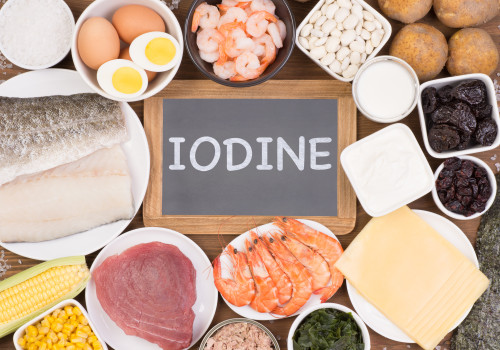
- Seafood: Fish and shellfish are among the richest sources of iodine. Varieties such as cod, shrimp, and seaweed (especially kelp) contain significant amounts of this essential mineral.
- Dairy Products: Milk, yogurt, and cheese are excellent sources of iodine. The iodine content in dairy products can vary based on the iodine levels in the feed given to cows.
- Eggs: Eggs, particularly the yolks, are another good source of iodine.
Including eggs in your diet can help boost your iodine levels effectively.
- Iodized Salt: One of the most common dietary sources of iodine is iodized salt. This salt has been fortified with iodine to help prevent deficiencies in the population. Using iodized salt in cooking and at the table can significantly contribute to your daily intake.
- Fruits and Vegetables: While fruits and vegetables generally contain lower amounts of iodine, certain varieties like potatoes, cranberries, and strawberries can provide some iodine. The iodine content can also depend on the soil in which they are grown.
When selecting an iodine supplement, consider the following factors:
- Formulation: Iodine supplements come in various forms, including potassium iodide and sodium iodide. Potassium iodide is often recommended for its bioavailability.
- Dosage: It’s crucial to choose a supplement that provides an appropriate dosage based on your age, sex, and health needs. The recommended daily allowance (RDA) for adults is 150 micrograms.
- Quality Assurance: Look for supplements that have been tested for purity and potency by third-party organizations. This ensures that you are getting a product that meets safety standards.
- Consultation with Healthcare Professionals: Before starting any new supplement regimen, it’s advisable to consult with a healthcare provider to determine your specific needs and avoid potential interactions with other medications.
Potential Risks and Side Effects of Iodine Supplements
While iodine is essential for various bodily functions, particularly in maintaining thyroid health, it is crucial to recognize that excessive intake of iodine supplements can lead to a range of potential risks and side effects.Understanding these risks is vital for anyone considering iodine supplementation. One of the most significant concerns associated with high doses of iodine is the potential for thyroid dysfunction. The thyroid gland relies on iodine to produce hormones, but an overload can disrupt this delicate balance. Conditions such as hyperthyroidism, characterized by an overactive thyroid, can arise from excessive iodine intake. Symptoms may include rapid heartbeat, weight loss, increased appetite, and anxiety. Conversely, too much iodine can also lead to hypothyroidism , where the thyroid becomes underactive.
This condition can result in fatigue, weight gain, and depression. The body’s response to excess iodine varies among individuals, making it essential to monitor intake closely. In addition to thyroid-related issues, high levels of iodine can cause gastrointestinal disturbances. Common side effects include:
- Burning sensations in the mouth and throat
- Nausea and vomiting
- Diarrhea
- Stomach cramps
For instance, individuals taking medications for an overactive thyroid should consult their healthcare provider before starting iodine supplements, as this could exacerbate their condition. To mitigate these risks, adhering to recommended dosages is crucial. The World Health Organization (WHO) suggests a daily intake of 150 micrograms for adults, with variations for pregnant and breastfeeding women. Regular monitoring of iodine levels through blood tests can help ensure that individuals remain within safe limits. In summary, while iodine supplements can offer significant health benefits when used appropriately, it is essential to be aware of the potential risks associated with excessive intake. Consulting with a healthcare professional before beginning any supplementation is advisable to tailor the approach based on individual health needs and conditions.
Iodine Supplementation in Special Populations
Iodine is a crucial nutrient that plays a significant role in various physiological processes, particularly in the development and functioning of the thyroid gland.Different populations have unique iodine requirements, and understanding these needs is essential for promoting optimal health.
Iodine Needs During Pregnancy
Pregnant women have increased iodine requirements due to the demands of fetal development. Iodine is vital for the synthesis of thyroid hormones, which are critical for the growth and brain development of the fetus. Insufficient iodine intake during pregnancy can lead to serious complications, including:- Intellectual disabilities in the child
- Goiter in both mother and child
- Hypothyroidism , which can affect metabolic processes
However, it is essential for expectant mothers to consult with healthcare providers before starting any supplementation.
Children and Iodine Supplements
Children are particularly vulnerable to iodine deficiency, which can hinder their growth and cognitive development. The recommended daily intake of iodine varies by age:- Infants (0-6 months): 110 micrograms
- Children (1-8 years): 90 micrograms
- Older children (9-13 years): 120 micrograms
- Swelling in the neck (goiter)
- Fatigue and lethargy
- Weight gain or difficulty losing weight
The Elderly and Iodine Intake
The elderly population also faces unique challenges regarding iodine intake.As people age, their dietary habits may change, leading to a decreased consumption of iodine-rich foods. Additionally, certain medications can interfere with thyroid function, making adequate iodine intake even more critical. For older adults, maintaining sufficient iodine levels is essential for:
- Cognitive function: Adequate iodine supports brain health and cognitive abilities.
- Metabolic health: Iodine is necessary for regulating metabolism through thyroid hormone production.
- Overall well-being: Sufficient iodine levels can help prevent fatigue and other symptoms associated with deficiency.
Consulting Healthcare Professionals About Iodine Supplements
When considering the addition of iodine supplements to your health regimen, it is crucial to consult with a healthcare professional. This step ensures that you receive personalized advice tailored to your specific health needs and circumstances.Iodine plays a vital role in various bodily functions, particularly in thyroid hormone production, but the appropriate dosage can vary significantly from person to person.
Why Consult a Doctor?
- Individual Health Needs: Each person's health profile is unique. Factors such as age, existing medical conditions, and current medications can influence how your body processes iodine. A healthcare provider can assess these factors and recommend the right dosage or alternative solutions.
- Avoiding Over-Supplementation: While iodine is essential for health, excessive intake can lead to adverse effects, including thyroid dysfunction. Consulting a doctor helps prevent the risks associated with over-supplementation.
- Identifying Deficiencies: A healthcare professional can conduct tests to determine if you have an iodine deficiency or excess.
This information is critical for making informed decisions about supplementation.
When to Take Iodine Supplements
The timing of iodine supplementation can also be important. Some individuals may benefit from taking iodine supplements at specific times of the day or in conjunction with meals to enhance absorption. Your healthcare provider can offer guidance on the best practices for taking iodine supplements based on your lifestyle and dietary habits.
Monitoring and Follow-Up:
After starting iodine supplementation, regular follow-up appointments with your healthcare provider are advisable. These check-ins allow for monitoring of thyroid function and overall health, ensuring that any necessary adjustments to your supplementation regimen can be made promptly. In summary, consulting with a healthcare professional before starting iodine supplements is essential for ensuring safety and effectiveness.
By doing so, you can optimize your health outcomes while minimizing potential risks associated with improper use of supplements.
Frequently Asked Questions About Iodine Supplements
When considering iodine supplements, many individuals have questions regarding their use, benefits, and potential side effects. Below are some of the most frequently asked questions about iodine supplements to help clarify these important aspects.What are the benefits of taking iodine supplements?
Iodine is crucial for the production of thyroid hormones, which regulate metabolism, growth, and development. Supplementing with iodine can help:- Prevent iodine deficiency: This is particularly important in regions where dietary iodine is low.
- Support thyroid health: Adequate iodine levels can help prevent conditions such as goiter and hypothyroidism.
- Enhance cognitive function: Iodine is essential for brain development, especially in children and pregnant women.
How should I take iodine supplements?
When taking iodine supplements, it’s essential to follow the recommended dosage provided by a healthcare professional. Here are some general guidelines:- Consult a healthcare provider: Before starting any supplement, discuss your specific needs and health conditions with a doctor.
- Follow dosage instructions: Adhere to the dosage recommended on the supplement label or as prescribed by your healthcare provider.
- Monitor your intake: Be aware of your total iodine intake from all sources, including food and iodized salt, to avoid excessive consumption.
Are there any side effects associated with iodine supplements?
While iodine is essential for health, excessive intake can lead to side effects such as:- Nausea and vomiting
- Diarrhea
- Burning sensations in the mouth or throat
- Thyroid dysfunction
Who should consider taking iodine supplements?
Iodine supplementation may be beneficial for:- Pregnant or breastfeeding women who require higher iodine levels for fetal and infant development.
- Individuals living in areas with low dietary iodine intake.
- People with certain medical conditions that affect thyroid function.
Always prioritize consulting with a healthcare professional to tailor supplementation to your individual needs.
Conclusion: Balancing Iodine Intake for Optimal Health
In summary, the role of iodine in maintaining optimal health cannot be overstated. As we have explored throughout this article, iodine is a vital nutrient that supports various bodily functions, particularly in thyroid hormone production, which is essential for regulating metabolism, growth, and development. However, achieving the right balance in iodine intake is crucial to harnessing its benefits while minimizing potential risks. One of the primary iodine supplement benefits is its ability to prevent deficiencies that can lead to serious health issues such as goiter, hypothyroidism, and cognitive impairments. For individuals living in areas where iodine-rich foods are scarce or where soil iodine levels are low, supplementation can be a practical solution to ensure adequate intake.Additionally, pregnant and breastfeeding women have increased iodine needs to support fetal and infant development, making supplementation particularly important during these stages. However, it is equally important to recognize the potential dangers of excessive iodine consumption. Over-supplementation can lead to adverse effects such as thyroid dysfunction and gastrointestinal disturbances. Therefore, it is essential to adhere to recommended dosages and consult with healthcare professionals before starting any new supplement regimen. To maintain a healthy balance of iodine in your diet:
- Incorporate iodine-rich foods: Include sources such as fish, dairy products, eggs, and iodized salt in your meals.
- Monitor your intake: Be aware of both dietary sources and any supplements you may be taking to avoid exceeding recommended levels.
- Consult healthcare providers: Seek advice from nutritionists or doctors if you suspect an iodine deficiency or are considering supplementation.
Remember that moderation is essential; with the right approach, iodine can play a significant role in enhancing your health.
Top Articles
The Essential Role of Iodine in Thyroid Health: Understanding Iodine Supplement Benefits
Discover the vital role of iodine in thyroid health and the benefits of iodine supplements for optimal well-being.
Understanding the Essential Role of Iodine in Our Health and the Benefits of Iodine Supplements
Discover the vital role of iodine in health, its benefits, and the importance of iodine supplements for optimal well-being.
The Truth About Iodine: Who Should Avoid It and the Benefits of Iodine Supplements
Discover the benefits of iodine supplements and learn who should avoid them for optimal health. Essential insights for thyroid health and pregnancy.

Unlocking the Benefits of Iodine Supplements for Thyroid Health
Discover the essential benefits of iodine supplements for optimal thyroid health and overall well-being. Learn how to support your thyroid effectively.